

Rope and Rigging Techniques for Complex Tree Removals
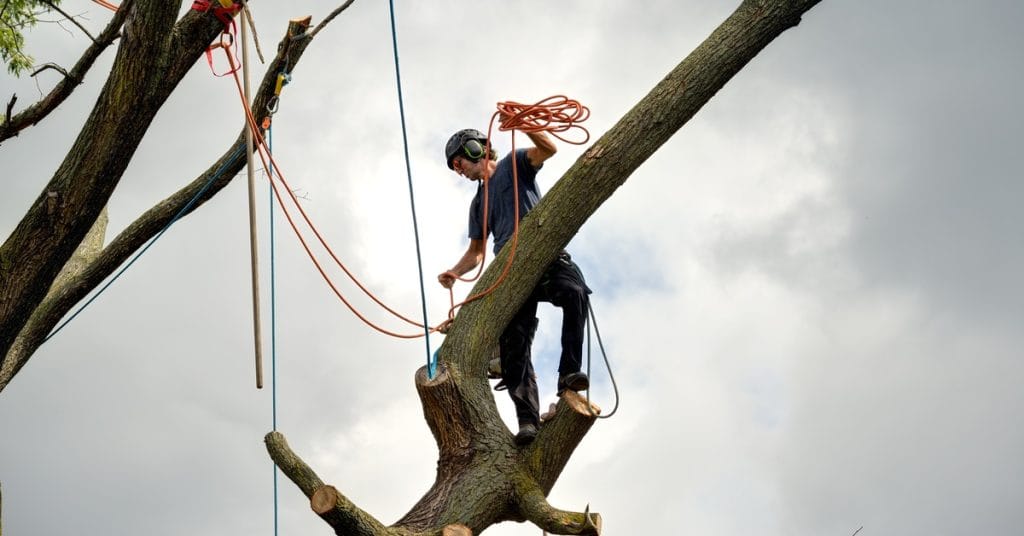
Dealing with large or awkwardly placed trees requires more than just a chainsaw and a ladder. Professional arborists rely on advanced rope and rigging techniques for complex tree removals to securely land every branch safely on the ground. Utilizing specific mechanical advantages and friction devices to control heavy wood sections, arborists protecting your home and landscape from damage.
Understanding the Physics of Rigging
Arborists must constantly calculate weight, distance, and force before making a single cut. We assess the structural integrity of the tree to determine how much weight the rigging points can safely handle. This initial evaluation prevents catastrophic failures and verifies that the rigging system can support dynamic loads throughout the removal process.
Every cut introduces energy into the rigging system, which transfers directly to the ropes and anchor points. We mitigate this shock load by using specialized ropes designed to stretch and absorb the energy of falling wood. Controlling these forces protects the tree climber, the ground crew, and the surrounding property from unexpected swings or snaps.
The Role of Friction
Friction devices serve as the brakes in our rigging operations. By wrapping the lowering line around a bollard or port-a-wrap, the ground crew can easily manage hundreds of pounds of wood with just a few fingers. This control allows us to lower massive logs smoothly without burning hands or losing grip on the rope.
Establishing Secure Anchor Points
The success of any rigging operation depends entirely on the strength of the anchor points chosen within the tree. We look for solid, healthy unions where branches meet the trunk to serve as the primary support for our equipment. Selecting the right anchor point keeps the rigging hardware stable even when subjected to heavy, shifting loads.
Sometimes nature does not provide the perfect point for our ropes, so we create our own using slings and blocks. We install false anchor points to reduce friction and save wear on our expensive climbing lines. This method allows us to position the rigging point exactly where we need it for optimal control over the falling debris.
Mastering Positive Blocking

Positive blocking involves placing the rigging block above the cut to lift the piece up and away from the trunk. We use this technique when obstacles sit directly below the branch or when we need to swing the wood over a structure. The climber coordinates with the ground crew to hoist the section clear immediately after the saw finishes the cut.
This technique places stress on the rigging point and requires precise timing to execute correctly. We double-check that all hardware ratings can withstand the magnified forces generated by lifting heavy wood against gravity. A successful positive block results in a clean separation that swings safely away from the tree and the climber.
Utilizing Negative Blocking
Negative blocking occurs when the rigging block sits below the cut, catching the load after it falls a short distance. Arborists use this method for removing the main trunk sections where no higher anchor points exist. The wood free-falls until the rope catches it, creating a substantial shock load that the system absorbs.
Our crews train extensively to manage the dynamic forces involved in negative rigging scenarios. We select robust, static rigging lines that can handle the impact without stretching too much or breaking under sudden tension. Proper technique minimizes the jolt felt by the tree, keeping the climber safe while they dismantle the trunk.
Implementing Speedline Systems
Speedlining allows us to transport branches quickly from the canopy directly to the chipper or loading zone. To do this, arborists set up a tensioned line that acts like a zip line for tree parts, bypassing obstacles like fences or gardens. This speeds up the cleanup process and protects the landscaping underneath the tree from trampled debris.
The ground crew adjusts the tension of the speedline to control the speed and trajectory of the descending branches. We attach each piece of wood to the line using a sling and carabiner before sending it flying down to the drop zone. This efficiency makes speedlining a favorite technique for removals in tight, landscaped backyards.
Controlling Descent With Redirects

Redirects change the path of the rope to avoid obstacles or to apply force from a better angle. Professionals install pulleys at strategic points in the tree to guide the rope around branches that might otherwise snag or fray the line. This offers a smooth path for the lowering line and prevents damage to the tree structure that remains standing.
Complex removals require multiple redirects to navigate the wood safely to the ground. This plans these paths carefully, so the ground crew maintains a clear line of sight and control over the load. Every redirect adds friction to the system, which helps control the descent but requires careful management by the rigging team.
Balancing Loads With Spider Legs
Spider leg rigging involves attaching multiple lines to a single, large branch to distribute its weight evenly. The tree service team uses this technique for broad, heavy limbs that might twist or swing unpredictably if supported by only one rope. By balancing the load, the branch remains level as it lowers, preventing it from striking the trunk or the climber.
This advanced method requires excellent communication and coordination between the climber and multiple ground workers. This requires them to adjust each line independently to steer the branch through narrow gaps in the canopy or around structures. The result is a controlled, floating descent that looks almost effortless despite the massive weight involved.
Tip-Tying and Butt-Hitching
Tip-tying involves attaching the rope to the far end of the branch to control its swing radius. Using this technique, the branch will fold upward or swing away from a roofline immediately after the cut. This leverage allows manipulation of the branch’s movement, steering it clear of potential hazards.
Butt-hitching secures the rope near the cut, causing the branch tip to drop while the butt stays close to the rigging point. This offers great control for lowering heavy wood directly beneath the work area without wide swings.
Choosing the Right Knots
Knots form the link between equipment and the removed tree parts. Using the running bowline for its reliability and ease of untying even after it has held a heavy load. This knot tightens securely around the timber but remains simple to release once the wood reaches the ground.
The cow hitch with a better half is another staple for securing rigging lines to trunk sections. This knot grips the wood tightly and prevents slipping during negative blocking operations.
Safe and Efficient Tree Solutions
Executing these complex maneuvers requires a dedicated team of professionals who prioritize safety above all else. Whether you need tree cutting services or routine maintenance, you can rely on our expertise to get the job done right. We apply rope and rigging techniques for complex tree removals to deliver superior results. Contact All Around Arbor today to schedule your consultation and experience top-tier tree care in the Portland Metro area.
Comments