8 Reasons Why Oregon White Oaks Need Summer Care
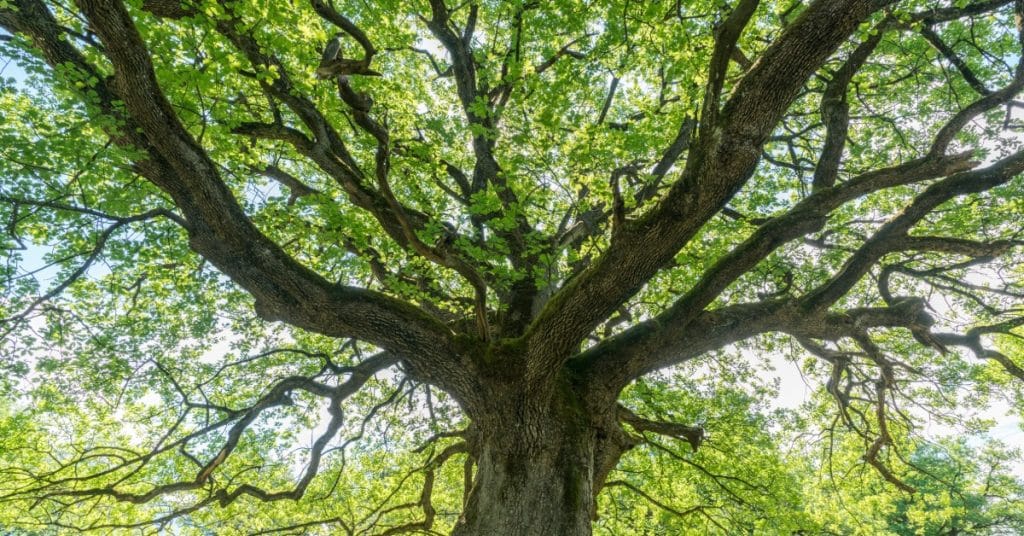
Oregon white oaks thrive throughout the Portland area, although summer conditions place steady pressure on mature trees and younger specimens alike. Long dry stretches, reflected heat from pavement, and compacted urban soils gradually reduce moisture availability, which forces trees to work harder to maintain healthy canopy growth. Property owners researching reasons why Oregon white oaks need summer care frequently overlook how quickly environmental stress can affect root stability and canopy performance during extended heat.
During the hottest months, trees direct energy toward preserving moisture and protecting root systems from dehydration. Understanding how summer conditions affect these trees creates a stronger foundation for long-term maintenance decisions.
Summer Drought Places Pressure on Root Systems
Extended drought conditions remain one of the largest threats to Oregon white oaks during summer. Although mature oaks tolerate dry weather better than many ornamental species, prolonged heat still reduces available groundwater and places strain on fine feeder roots near the soil surface. When drought intensifies, trees redirect internal resources away from growth and toward survival.
Deep watering practices support healthier root activity because shallow irrigation encourages roots to remain near the surface, where temperatures fluctuate more aggressively. Moisture that penetrates deeper into the soil profile allows roots to maintain steadier access to water throughout hotter periods. In landscapes surrounded by turfgrass or construction-heavy environments, soil may dry faster than expected, which increases the likelihood of stress-related decline.
Soil Compaction Restricts Water and Oxygen
Urban and suburban properties throughout Portland frequently contain compacted soil caused by vehicle traffic, construction equipment, and repeated foot traffic. Compaction limits the gradually weakens root systems beneath mature oaks, and even healthy-looking trees may experience internal stress long before visible symptoms appear in the canopy.
When compacted soil hardens during summer heat, roots struggle to expand and absorb sufficient moisture. Trees growing near other structures tend to experience the greatest pressure because root zones become compressed. Many property owners focus exclusively on visible branch growth, yet root health largely determines whether a tree can withstand seasonal stress.
Mulch Reduces Heat Around the Base of the Tree
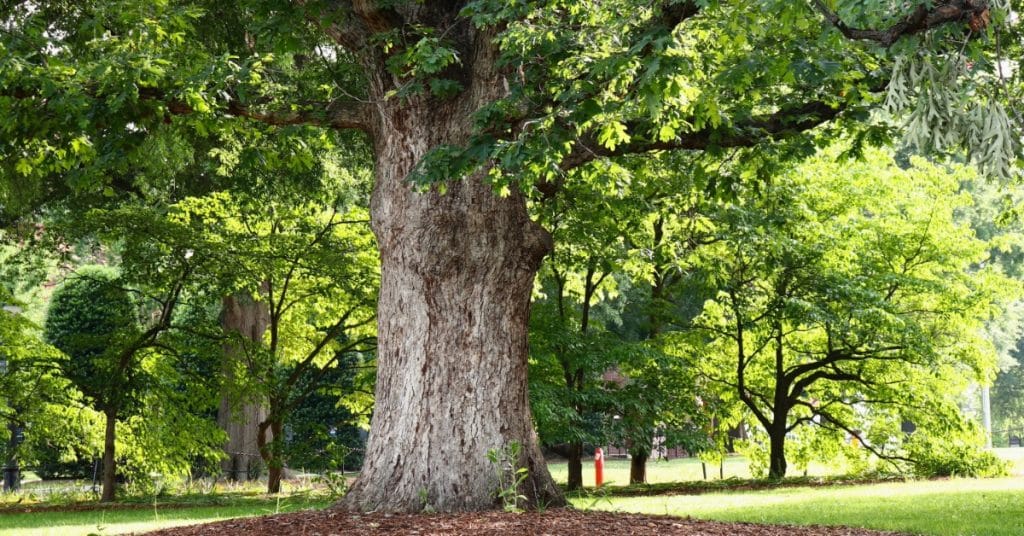
Proper mulch placement protects root systems from excessive temperature swings during warmer months. Organic mulch acts as insulation, slowing moisture evaporation while reducing direct exposure from sunlight. As temperatures rise, exposed soil heats rapidly and loses water faster, particularly around trees planted in open landscapes without nearby shade.
Mulch should remain several inches away from the trunk to avoid trapping moisture directly against bark tissue. Excess buildup near the base may contribute to fungal problems or pest activity, especially during humid stretches of summer weather. A moderate mulch layer spread across the root zone creates a more stable growing environment while improving soil structure as organic material breaks down.
Deadwood Becomes More Noticeable During Summer Growth
Summer foliage often reveals structural concerns that remain hidden during colder months. Weak and damaged limbs become easier to identify once the canopy fills out fully. Trees carrying excess deadwood may face greater risk during summer storms because weakened limbs cannot tolerate additional weight from wind or heavy foliage.
Removing hazardous branches improves canopy balance and reduces the likelihood of property damage or personal injury. In larger trees, deadwood removal requires careful climbing and rigging practices to avoid tearing healthy bark or stressing adjacent limbs. Property owners with mature oaks near structures or walkways usually benefit from seasonal inspections before storm activity intensifies.
Insects and Disease Become More Active in Warm Weather
Warmer conditions create favorable environments for several insects and fungal issues that target stressed trees. Although Oregon white oaks possess strong natural defenses, drought and root damage weaken the tree’s ability to resist outside threats. Borers, scale insects, and fungal pathogens frequently target trees already dealing with environmental stress.
Visible symptoms may include thinning leaves, discolored foliage, bark cracking, or premature leaf drops during peak summer months. In some cases, pest activity remains difficult to detect without professional evaluation because problems begin beneath bark layers or within the root zone. Our team can help provide summer disease and pest treatments for stressed oak trees. Monitoring seasonal changes closely allows property owners to respond before structural decline accelerates.
Summer Pruning Requires Careful Timing
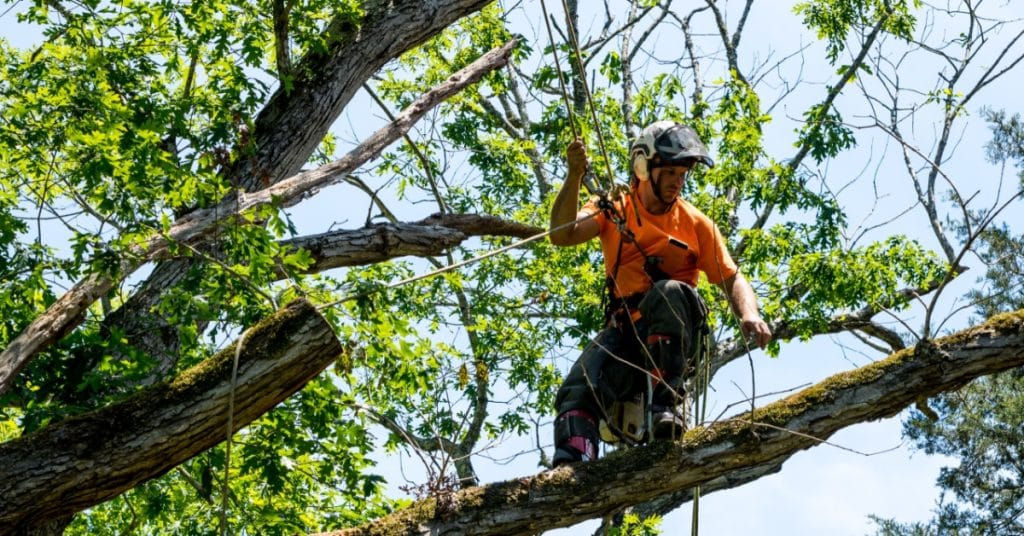
Pruning during hot weather requires a measured approach because excessive canopy removal exposes branches and trunks to direct sunlight. Sudden exposure may contribute to bark stress or sunscald, particularly on trees already weakened by drought. While selective pruning improves airflow and removes damaged limbs, aggressive cutting during summer can create unnecessary strain.
A trained arborist typically evaluates the tree’s health before recommending any major cuts. Timing matters because improper pruning may attract pests or stimulate weak regrowth late in the season. Property owners sometimes assume more pruning creates healthier trees, yet balanced canopy management generally produces stronger long-term results.
Construction Damage Frequently Appears in Summer
Construction projects near mature oaks may not show immediate consequences during cooler seasons. Once summer heat arrives, however, damaged roots and compacted soil can begin affecting canopy performance. Trees exposed to heavy equipment traffic frequently display stress symptoms months after work concludes.
Signs of construction-related damage may include sparse foliage, reduced leaf size, branch dieback, or uneven canopy development. Because root systems extend well beyond the visible canopy, even nearby excavation can disrupt water uptake significantly. Careful planning around mature trees reduces the likelihood of long-term decline following renovation or development work.
Mature Oaks Need Structural Monitoring
Large Oregon white oaks develop broad canopies and substantial limb weight over decades of growth. Structural weaknesses sometimes develop gradually, especially in older trees exposed to repeated storm cycles or improper pruning practices. Summer inspections allow arborists to identify any imbalances before problems worsen.
In tighter Portland neighborhoods, large overhanging limbs may extend above roofs, driveways, or neighboring properties. Monitoring structural stability becomes increasingly important as trees mature because failures from large branches can create severe property damage. Preventative maintenance typically creates fewer complications than emergency work following a storm event.
Seasonal Care Supports Long-Term Tree Health
Consistent summer maintenance supports healthier structural stability throughout the year. Oregon white oaks remain valuable landscape trees because they provide shade, habitat, and long-term visual character across residential and commercial properties. Without regular monitoring, however, seasonal stress may gradually weaken even well-established trees.
Property owners who understand why Oregon white oaks need summer care can make more informed decisions about what to do before permanent decline develops. Professional evaluations become particularly valuable when trees show visible stress, experience nearby construction activity, or develop large dead limbs within the canopy. Homeowners and property managers searching for dependable tree care services throughout the Portland area can work with All Around Arbor for inspections, canopy management, pruning recommendations, and long-term tree health support.
Comments