8 Ways Soil Compaction Affects Tree Health
Trees depend on healthy soil conditions to support root growth, nutrient exchange, and long-term stability. While watering and pruning receive much of the attention in landscape care, the structure of the soil beneath a tree determines its overall health. When soil becomes compressed, the underground environment that supports roots can begin to deteriorate.
Understanding ways soil compaction affects tree health helps property owners recognize hidden causes of tree decline. Dense soil reduces the air spaces that allow moisture and oxygen to move through the root zone, limiting how effectively roots function. As those conditions change, trees gradually lose access to the resources they rely on and become more vulnerable to environmental stress.
Understanding Soil Compaction in Landscaped Areas
Soil compaction occurs when pressure forces soil particles tightly together, reducing the natural air pockets found between them. These spaces allow air, water, and nutrients to move through the root zone while maintaining the soil conditions that support healthy plant growth. When the soil becomes dense, roots encounter more resistance as they attempt to expand.
Landscaped areas are especially susceptible to compaction because they experience repeated disturbance. Construction activity, heavy equipment, frequent foot traffic, and parked vehicles can all compress soil around trees. Once the soil structure changes, the underground environment becomes far less supportive of normal root development.
How Reduced Oxygen Levels Stress Tree Roots
Roots rely on access to air within the soil to maintain normal growth and nutrient movement. When soil becomes tightly packed, far less air moves through the root zone, which can limit how efficiently roots function.
When this restriction continues for long periods, portions of the root system may weaken and become less effective at supporting the tree. Reduced root activity can interfere with the movement of water and nutrients throughout the canopy, leading to smaller leaves, slower seasonal growth, and reduced resilience during periods of environmental stress.
Limited Water Infiltration and Root Hydration Problems
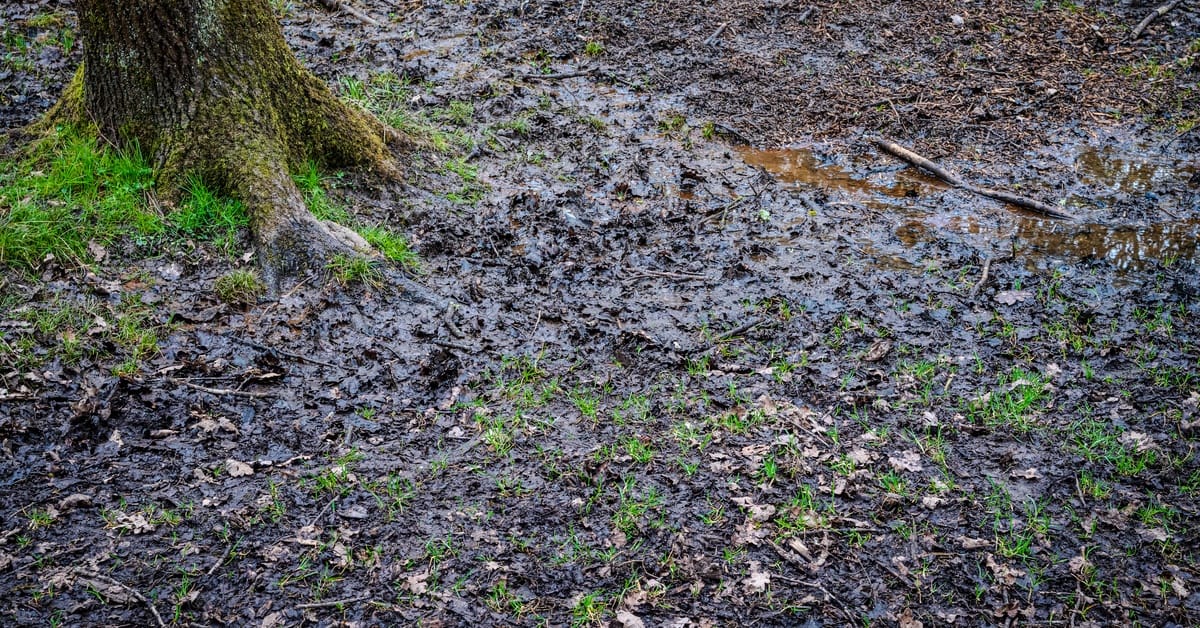
Loose, well-structured soil typically allows rain and irrigation to move through the ground and reach deeper roots. Compacted soil can interrupt that process, causing water to remain near the surface or run off before reaching the lower portions of the root zone.
As a result, trees may show signs of dehydration even when the surrounding landscape appears well watered, with symptoms such as leaf scorch, canopy thinning, and increased drought sensitivity during warmer months. In some cases, roots remain confined to shallow soil layers where moisture evaporates more quickly.
Restricted Root Expansion and Structural Stability
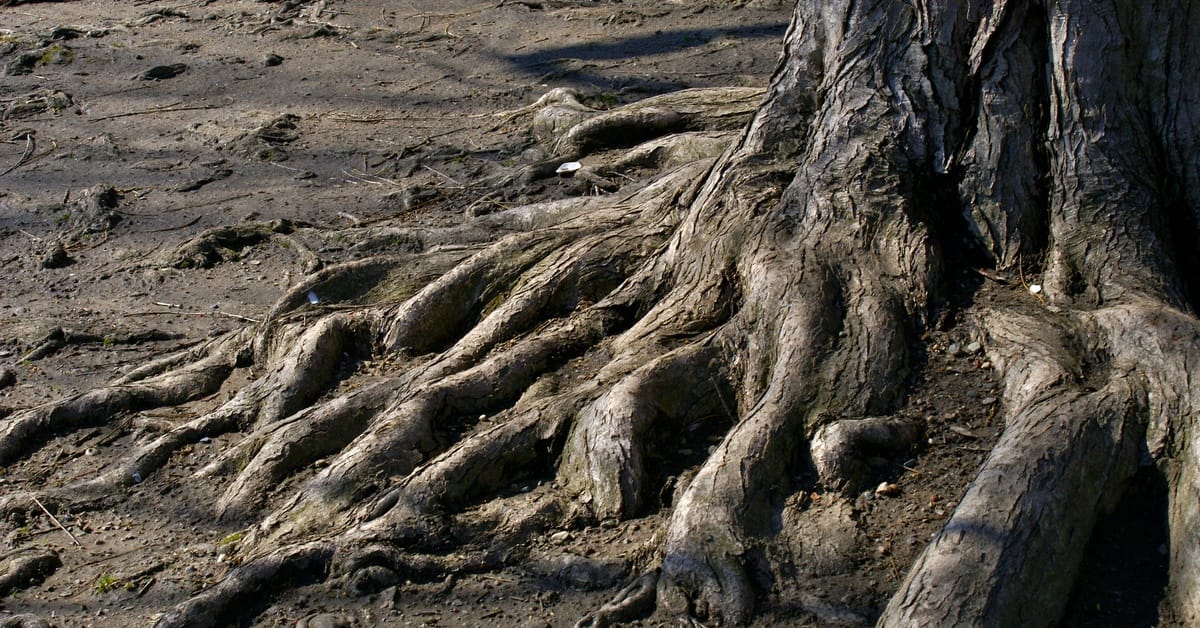
Tree roots naturally spread outward through loose soil in search of moisture and nutrients. But dense soil creates physical resistance and slows that expansion, leaving the root system confined to a smaller area than the tree requires.
This restriction can affect stability as the tree matures, particularly as larger canopies place greater demands on the root system to anchor the tree against wind and shifting soil conditions. Without adequate root spread, the tree may become more susceptible to leaning or storm damage.
Why Root Plate Development Matters for Mature Trees
The root plate refers to the shallow network of structural roots that stabilize a tree near the soil surface. These roots extend outward around the trunk, distributing weight and helping trees withstand wind forces that would otherwise place strain on the trunk.
Compacted soil interrupts this process by preventing roots from extending outward as they normally would. Instead of forming a wide support system, roots remain concentrated closer to the trunk, which reduces stability and increases the likelihood of structural failure during severe weather.
Nutrient Uptake Challenges in Compacted Soil
Trees gather nutrients through fine feeder roots that grow throughout the soil. These delicate roots depend on healthy soil conditions that allow them to function normally.
In compacted soil, the growth of these feeder roots may slow, and fewer roots remain available to absorb nutrients. The tree may then show signs of reduced vigor, including pale foliage, slower canopy development, and less consistent seasonal growth.
Increased Susceptibility to Disease and Pests
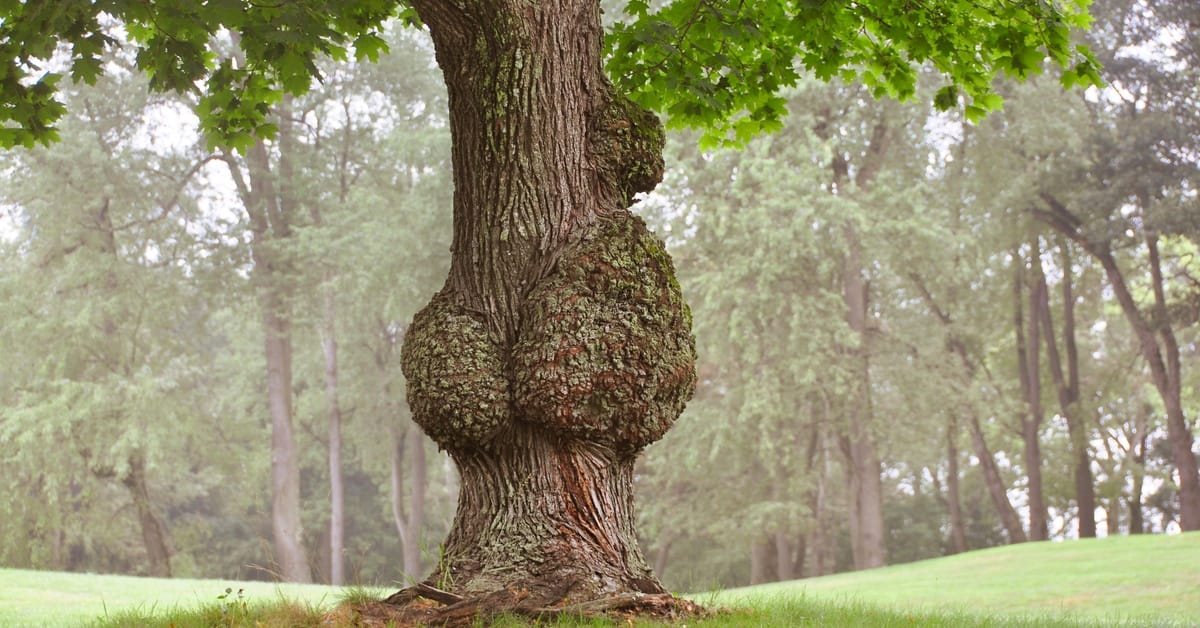
Trees experiencing prolonged soil stress can become more vulnerable to insects and disease. When roots cannot supply adequate resources to the canopy, the tree’s natural defense systems may weaken, allowing opportunistic pests and pathogens to take advantage of the stressed tree.
As beneficial soil activity declines, harmful organisms may become more active, which can further increase the likelihood of health problems that compound existing stress.
Stress Signals Arborists Look For During Inspections
Certified arborists can identify soil compaction by observing subtle changes in a tree’s appearance. Reduced annual growth, thinning canopies, and leaves that appear smaller than expected may all indicate that the root system is under stress.
During inspections, arborists evaluate the surrounding landscape for signs of construction, vehicle traffic, or repeated foot movement around the root zone. These environmental clues determine whether compacted soil is contributing to declining tree health.
Damage From Construction and Heavy Equipment
Construction activity frequently leads to severe soil compaction around trees. Heavy machinery, repeated vehicle movement, and material storage can compress soil quickly, especially when work occurs near established trees.
Because tree roots extend far beyond the trunk, damage occurs outside the visible work area where soil above the root system becomes tightly packed. Trees may appear healthy initially, but symptoms related to root stress can emerge months or even years after construction has ended.
Long-Term Impact on Tree Longevity and Growth
Trees exposed to compacted soil commonly show gradual decline rather than sudden failure. Reduced root function limits the tree’s ability to produce new growth, store energy, and respond to environmental challenges, which gradually weakens the tree. As a result, canopies may remain smaller than expected as the tree struggles to maintain normal growth.
Identifying Soil Compaction Around Your Trees
Recognizing soil compaction early can prevent long-term damage. Hard ground around the base of a tree signals that the soil has become dense, particularly in areas exposed to frequent foot traffic or vehicle movement.
Other warning signs include declining vigor, sparse foliage, and slowed growth. Because these symptoms can develop for several reasons, a professional evaluation can determine whether soil conditions are contributing to the problem.
Supporting Healthier Trees Through Better Soil Care
Understanding ways soil compaction affects tree health showcases how conditions below the surface influence the stability and longevity of trees. Dense soil causes roots to gradually lose access to air, moisture, and nutrients, which can weaken the tree and reduce its ability to withstand environmental stress.
If you suspect compacted soil may be affecting the trees on your property, working with a professional arbor service can provide clear answers and practical solutions. The team at All Around Arbor can evaluate root zone conditions, recommend soil improvement strategies, and protect trees from further stress. Scheduling a professional tree assessment can determine whether soil compaction is impacting your landscape and what steps may restore healthier growing conditions.
Comments