Portland’s Tree Care Code: A Homeowner’s Simplified Guide

The trees that line Portland streets are part of the community’s health and identity. To protect this valuable asset, the City of Portland has a set of regulations known as Title 11, or the Tree Code. For homeowners, developers, and property managers, navigating these rules can seem complex.
This guide simplifies Portland’s tree care code for homeowners, giving them an understanding of their responsibilities. Learn what you need to know about permits for tree removal in Portland, maintenance, and planting, so you can care for your trees confidently and in compliance with city rules.
Understanding Portland’s Tree Regulations
Portland’s Title 11 exists to preserve and enhance the urban forest for everyone. The code applies to all trees within city limits and covers activities from planting and pruning to removal. It distinguishes between three main types of trees: private trees, street trees, and city trees. As a property owner, you are responsible for trees on your land and, in most cases, the street trees adjacent to your property.
The rules can change based on the tree’s size, location, and whether your property is part of a new development. Knowing the basics helps you avoid potential fines and contributes to a healthier city.
When Do You Need a Tree Permit?
One of the most common questions homeowners ask is about permits. A permit is the city’s official approval for specific tree work. Failing to get one when required can lead to significant penalties.
Private Property Trees
For trees on your private property, the rules are primarily based on size. You generally need a permit to remove any non-nuisance tree that measures 12 inches or more in diameter. To measure, find the diameter of the trunk at 4.5 feet above the ground, a standard known as “diameter at breast height” or DBH.
There are exceptions. For instance, you can typically remove up to four healthy, non-nuisance trees under 20 inches DBH per year with a straightforward Type A permit. However, removing larger trees requires a more involved Type B permit process, which may include public notice.
Street Trees
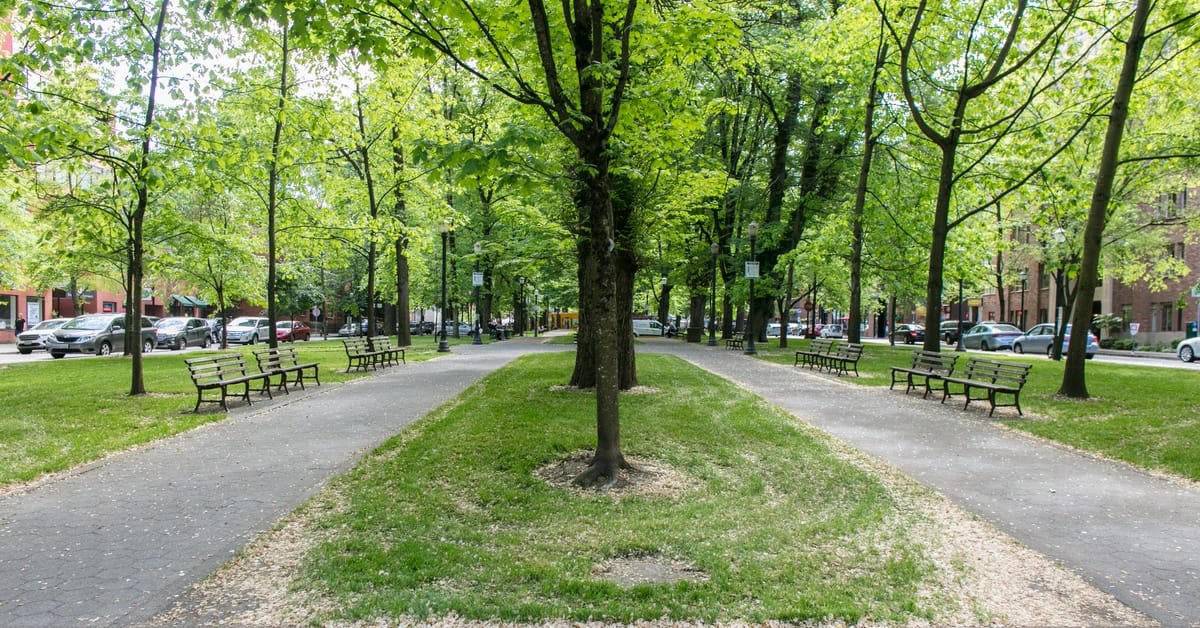
Street trees are the trees planted between pathways, like sidewalks and the curb. These trees are highly regulated. You need a permit for almost any work on a street tree, including major pruning, removal, or planting. The City Forester monitors and maintains these trees to ensure proper care and keep the streetscape consistent and safe. As the adjacent property owner, you are typically responsible for the care of these trees.
Emergency Situations
If a tree poses an immediate danger to people or property, the city views this as an emergency. Then you can perform the necessary emergency tree removal or pruning without waiting for a permit. However, you must document it with photos and apply for a retroactive permit within seven days of the work. This allows the city to verify the hazard, and you can avoid penalties.
Removing a Tree: What To Expect
Tree removal is a significant undertaking, and Portland’s code has specific requirements to manage the process and its impact on the urban canopy.
Healthy vs. Hazardous Trees
The process for removing a healthy tree differs from that for a dead, dying, or dangerous one. The city readily approves permits for hazardous trees for public safety. An arborist’s report can provide the necessary documentation to confirm a tree’s condition.
Removing a large, healthy tree is more complex. For trees 36 inches in diameter or larger on private property, you must post a notice on-site and inform your local neighborhood association 45 days in advance, and secure a permit. This process promotes transparency and allows for community awareness of significant canopy changes.
The Role of Mitigation and Replanting
When you remove a tree, the city requires you to mitigate its loss. This usually means planting replacement trees. The requirements vary based on the size of the tree removed. For smaller trees, a “tree-for-tree” replacement is sufficient. For larger trees, the city may require “inch-for-inch” replacement, where you must plant enough new trees to equal the diameter of the one removed.

If there isn’t enough space on your property to plant the required replacements, you may have the option to pay into the City’s Tree Planting and Preservation Fund. The city uses these funds to plant trees throughout Portland, helping to grow the canopy in other areas.
Pruning and Maintenance Responsibilities
Proper maintenance is a requirement for a tree’s health and longevity. Portland’s code includes standards for pruning to prevent damage and ensure trees don’t become a public nuisance.
Proper Pruning Practices
Excessive pruning can harm a tree, and in some cases, the city may consider it equivalent to removal. You should never “top” a tree, which is the practice of cutting main branches back to stubs. This damages the tree’s structure and can lead to decay and weakness.
All pruning should follow established arboricultural standards, which focus on maintaining the tree’s natural form and health. While minor pruning doesn’t require a permit, significant work on street trees or protected private trees does.
Sidewalk and Street Clearance
As a homeowner, you are responsible for pruning your trees, so they do not obstruct public access or visibility. You must clear branches over sidewalks to a height of at least 7.5 feet, and branches over roadways to 11 feet (or 14 feet on major traffic streets). You also need to keep sidewalks clear of leaves, fruit, and other debris from your trees that could create a hazard.
Getting Help From Professionals
Navigating Portland’s Tree Code can feel overwhelming, but you don’t have to do it alone. Instead, work with a certified arborist who offers professional tree care services, and they can handle your project correctly from start to finish.
An experienced arborist can accurately measure your trees, assess their health, and determine if you need a permit. They can prepare the necessary reports and applications, saving you time and preventing costly errors. For complex projects, like those involving development or large tree removals, their expertise is invaluable. A qualified tree care company understands the city’s technical specifications for tree protection, removal, and planting, keeping the project compliant and your trees safe.
Partnering for a Greener Portland
Using this homeowner’s simplified guide to Portland’s Tree Code, you can preserve the beauty and ecological benefits of our city’s canopy. From obtaining the right permits to following proper maintenance standards, every action contributes to a healthier environment for everyone.
Managing tree care according to city regulations requires knowledge and precision. Let the experts at All Around Arbor handle the complexities for you. Our certified arborists are well-versed in Portland’s Tree Code and are ready to manage your project with professionalism and care. Contact All Around Arbor today for a consultation, and we’ll help you develop a compliant and effective plan for your tree care needs.
Sources:
“Title 11 Trees.” 2025. Portland.Gov. October 24, 2025. https://www.portland.gov/code/11.
Comments