

Why Topping Trees Is Harmful and Better Alternatives
Tree care practices have a direct impact on how trees respond to stress, and thus how they grow. While some methods may seem like a quick way to control size or shape, they can create long-term issues that are not immediately visible. One of the most misunderstood practices is tree topping, which many property owners still view as a simple solution for overgrown trees.
Understanding why topping trees is harmful and what the better alternatives are helps homeowners make more informed decisions about long-term tree care. Improper pruning can weaken structure, reduce overall health, and create safety concerns. Choosing the right approach from the start allows trees to remain both manageable and structurally sound.
What Tree Topping Actually Means
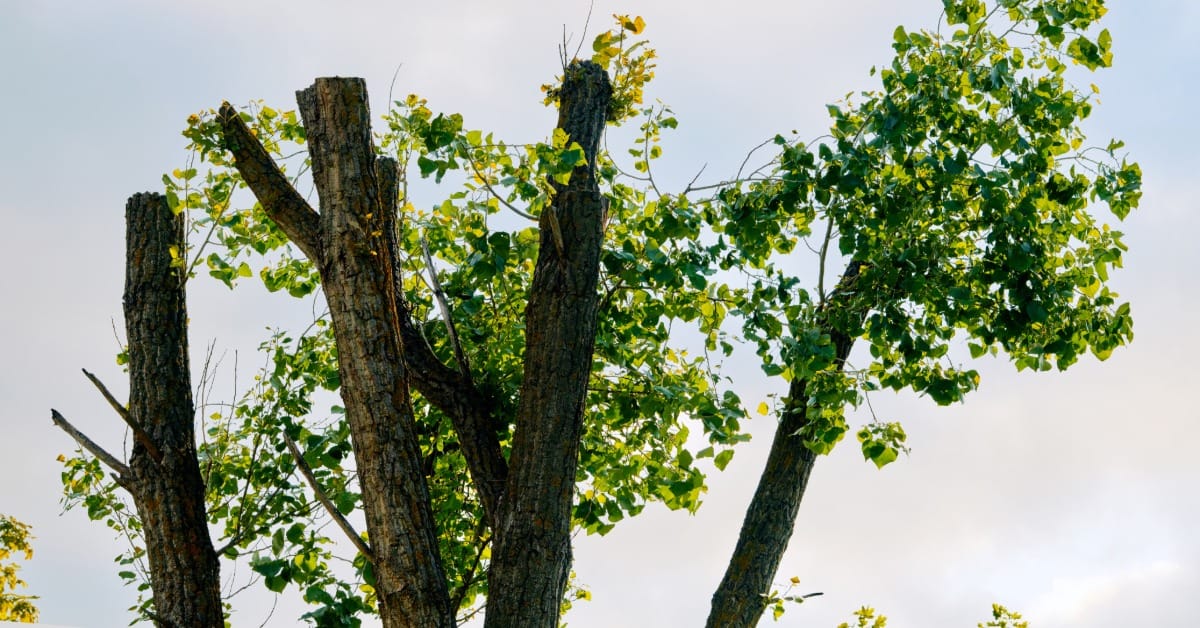
Tree topping involves cutting back large branches to stubs or removing the upper portion of a tree’s canopy without regard for natural growth patterns. This practice leaves behind large, exposed cuts and disrupts the tree’s structure. Instead of guiding growth, topping forces the tree to respond to sudden and severe loss.
Many people choose tree topping to reduce height quickly or prevent interference with nearby structures. However, this approach does not address the underlying growth pattern of the tree. It simply removes large portions of the canopy in a way that the tree cannot naturally sustain.
How Topping Disrupts Natural Growth
Trees develop through structured growth patterns that balance canopy weight and root support. When arborists remove large sections of the canopy abruptly, the tree loses its balance and must redirect energy toward rapid regrowth. This response leads to multiple shoots growing from the same cut point.
These new shoots grow quickly but lack the strong attachment found in naturally developed branches. This creates a canopy that looks dense but remains structurally weak. Instead of improving the tree’s form, topping leads to unstable growth that requires ongoing correction.
Increased Risk of Weak Branch Attachments
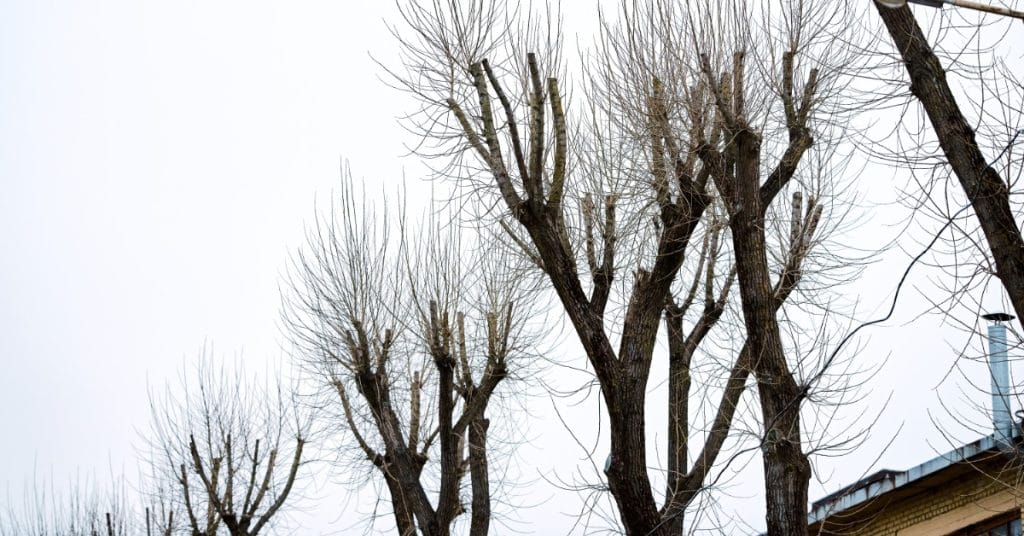
One of the most significant concerns with tree topping is the development of weak branch connections. The shoots that emerge after topping attach near the surface of the remaining branch. As they grow larger, these attachments struggle to support their own weight.
During storms or high winds, these weak points become more likely to fail. This increases the risk of falling limbs, which can damage property or create safety hazards. What begins as an attempt to control a tree’s size results in greater structural risk.
Exposure to Decay and Disease
Large cuts created during topping expose internal wood that the tree cannot easily seal. These open areas provide an entry point for decay and can weaken the structural integrity of the tree. Unlike proper pruning cuts, topping cuts do not support natural healing.
As decay progresses, it can spread beyond the original cut area and affect larger sections of the tree. This gradual decline may not be immediately visible, but it can significantly reduce the tree’s lifespan, and once decay sets in, it becomes difficult to reverse the damage.
Rapid Regrowth Creates Ongoing Maintenance Issues
After topping, trees respond with rapid, dense regrowth as they attempt to replace lost canopy. While this may appear to solve the initial problem, it creates a cycle of repeated maintenance. New growth tends to be more vigorous and less controlled than the original structure.
This means the tree may require more frequent pruning to keep it manageable. The cost and effort of maintaining a topped tree exceed the requirements of proper pruning from the beginning.
Reduced Energy Production and Overall Health
Leaves also determine how trees produce energy, so when topping removes a large portion of the canopy, it also reduces the tree’s ability to generate the resources it needs to support growth and recovery. This sudden loss of the tree canopy places the tree under significant stress.
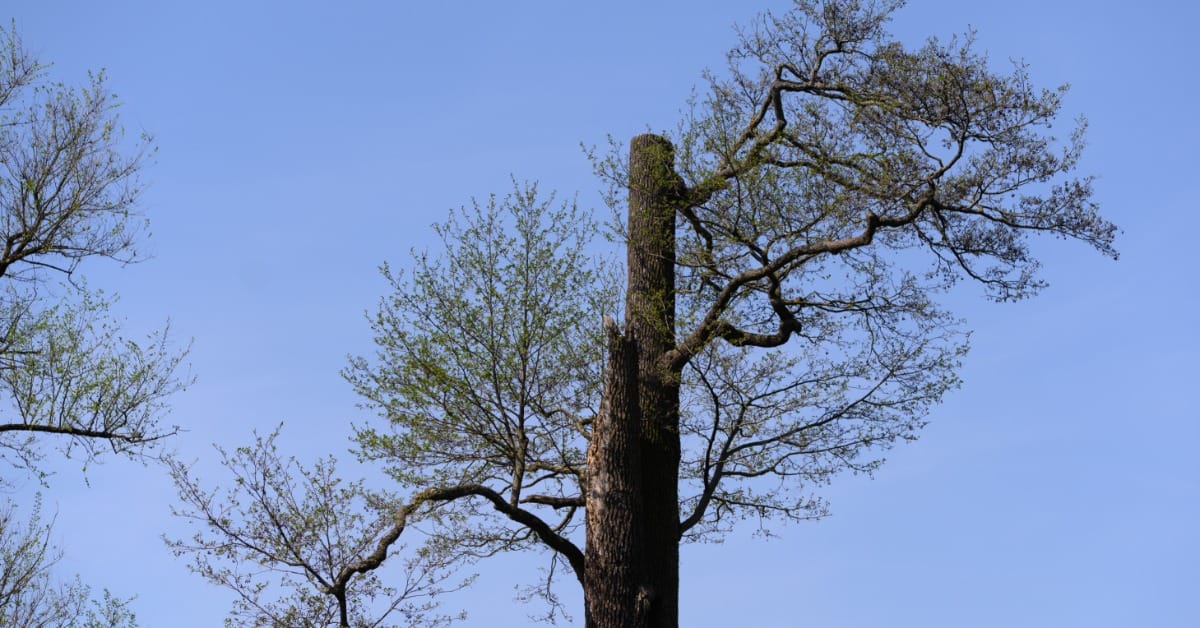
As the tree works to rebuild its canopy, it must rely on stored energy reserves. This process can weaken the tree and make it less resilient to environmental stress, pests, or disease. Even if regrowth occurs, the overall health of the tree may decline.
Why Topping Does Not Solve Size Problems
Many property owners turn to topping to control tree height, but the results rarely last. The rapid regrowth that follows can cause the tree to return to its original size more quickly than expected. In some cases, the tree may become even more difficult to manage.
Because topping does not address the tree’s natural growth pattern, it fails as a long-term solution. Managing size requires a more strategic approach that works with the tree’s structure.
Better Alternatives to Tree Topping
There are several effective alternatives that allow trees to remain healthy while addressing concerns about size and safety. These methods focus on selective pruning, using proper techniques to maintain structure while guiding growth in a controlled way.
Common alternatives include:
- Crown reduction to carefully reduce height while preserving structure
- Thinning to improve airflow and reduce canopy density
- Selective branch removal to address specific problem areas
These approaches support long-term health and reduce the need for repeated corrective work.
The Role of Proper Tree Care in Long-Term Stability
Trees require consistent, thoughtful care to remain safe and functional within a landscape. Pruning should support natural growth patterns, and when done correctly, it improves structure, reduces risk, and extends the lifespan of the tree.
Working with experienced professionals ensures that arborists base pruning decisions on the tree’s condition, location, and long-term needs. This approach prevents the problems that result from improper practices like topping.
Supporting Healthier Trees With Smarter Pruning Choices
Understanding why topping trees is harmful and better alternatives allows property owners to make decisions that support both safety and long-term tree health. While topping may seem like a quick fix, it creates more problems than it solves. Choosing proper pruning methods can maintain structure and reduce the likelihood of future issues.
If you are considering pruning or need help managing tree size, working with a team that specializes in professional tree trimming to provide the right approach for your property. All Around Arbor offers careful evaluations and targeted pruning solutions that support healthy growth while addressing safety concerns. Scheduling a professional assessment ensures your trees receive the care they need to remain stable and well-maintained.
Comments