How To Fix Soil Compaction From Construction
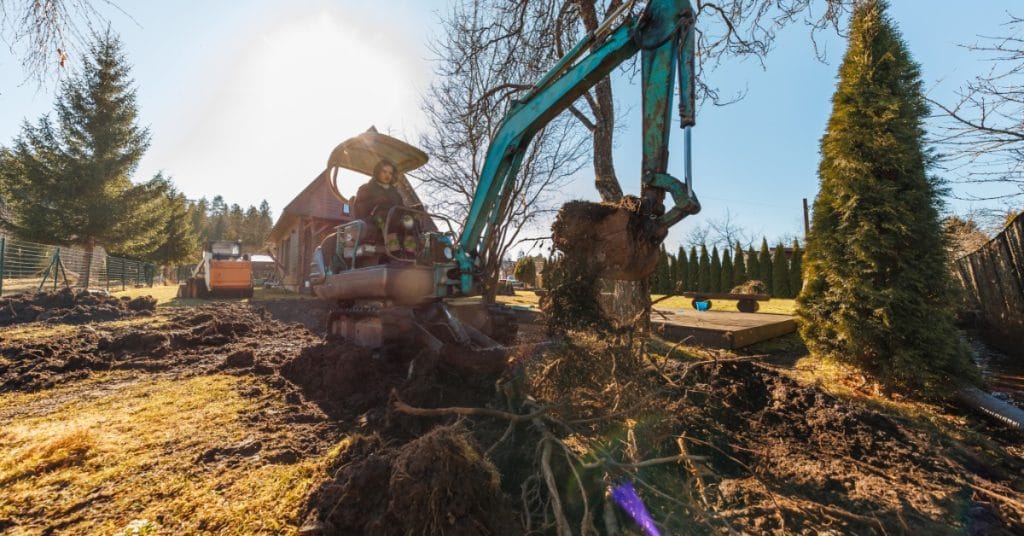
Construction projects can create problems for trees around homes and commercial buildings even when crews never touch the tree. Trucks may cross the root zone for weeks, excavators may work nearby, and crews may store heavy materials beneath the canopy. That activity presses soil particles closer together, leaving less space for air and water to move around the roots.
Knowing how to fix soil compaction from construction requires more than breaking up soil that feels hard at the surface. Established roots can extend throughout the compacted area, which makes aggressive digging risky. Homeowners can protect the site and watch for signs of trouble, while an arborist can assess the root zone and determine how to approach the soil without causing additional damage.
Step 1: Find Where Construction Compacted the Soil
Before attempting any repairs, think back to how contractors used the property throughout the project. Pay particular attention to equipment routes and areas where crews parked machinery or stored materials. Construction activity can compact soil well beyond the immediate work area, especially when heavy vehicles repeatedly follow the same path.
Along with retracing that activity, look at how the ground behaves now compared with conditions before construction. Water that pools on the surface or runs across an area where it previously soaked into the ground may point to changes in the soil. Changes in the tree’s growth or canopy can provide additional context for the assessment, although those symptoms can also have causes unrelated to compaction.
Step 2: Stop Adding Pressure to the Root Zone
After identifying areas that construction may have compacted, keep vehicles and unnecessary foot traffic away from them whenever possible. Repeated traffic continues pressing down on the soil and can make recovery more difficult. Move leftover construction materials away from the root zone as well, so their weight does not continue contributing to the problem.
When contractors still need access to another part of the property, discuss alternative routes before anyone starts working on the soil. Smaller lots may limit the available options, but even modest changes to equipment routes can reduce repeated traffic around an established tree. Controlling that traffic first keeps new compaction from undermining the work that follows.
Step 3: Have an Arborist Evaluate the Root Zone Before Digging
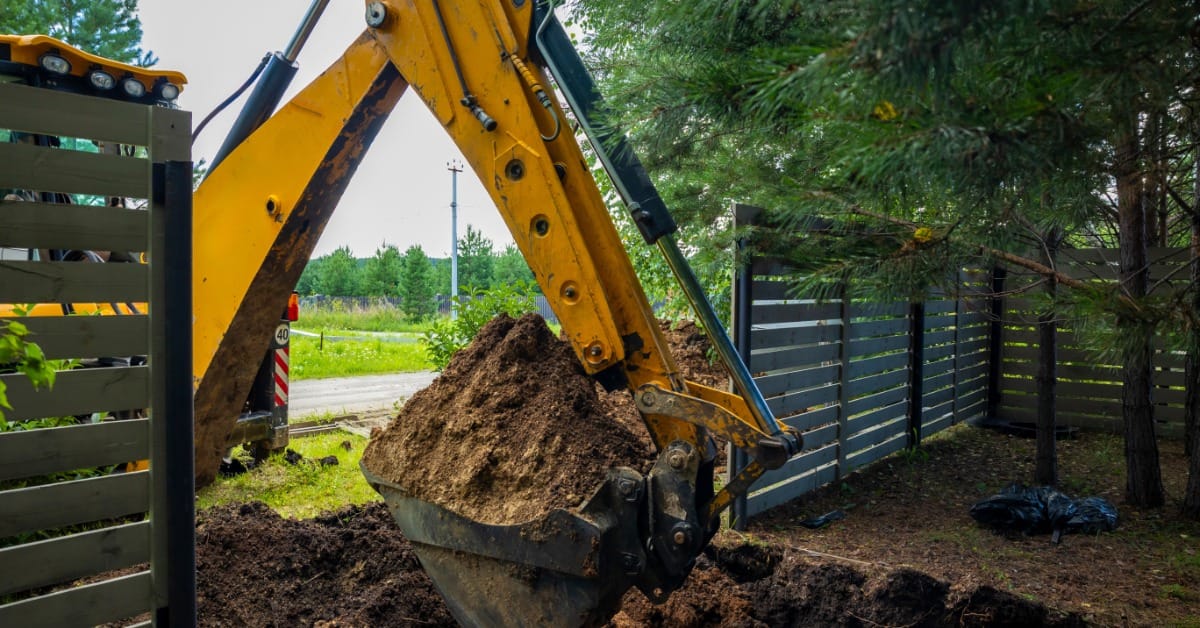
Although hard soil can raise concerns after construction, the surface alone cannot show how extensively compaction has changed the root environment. An arborist can examine the areas where construction occurred, compare them with the tree’s root zone, and consider any changes the tree has shown since the project began. That broader assessment can help determine whether soil compaction likely explains the problem or whether another source of stress deserves attention.
Homeowners should avoid tilling or aggressively digging through the area before that evaluation takes place. A tiller, shovel, or other digging equipment can cut roots growing close to the surface and add another source of stress to the tree. After examining the site, an arborist can identify where soil work makes sense and recommend an approach.
Step 4: Loosen Compacted Soil Without Cutting Through Roots
Once the arborist understands the extent of the problem, the actual decompaction work can focus on restoring pore space in the soil while protecting established roots. Simply turning over the ground with conventional digging equipment does not provide that level of control. The treatment needs to account for the location of the roots, the severity of the compaction, and the amount of soil that construction disturbed.
Depending on the site, the plan may include specialized decompaction techniques that loosen soil with less disruption to established roots than conventional digging. The appropriate method and treatment area depend on where the roots extend and how construction changed the surrounding soil.
Step 5: Protect the Soil After Decompaction
After decompaction improves the soil structure, protecting the treated ground becomes part of the repair process. Keeping heavy activity outside the treated area gives the root zone a better opportunity to maintain improved air and water movement.
Depending on what the arborist finds during the assessment, mulch or another form of surface management may become part of the recovery plan. When mulch suits the site, proper placement can protect the soil surface from routine traffic while supporting more consistent soil conditions. Homeowners should avoid piling mulch against the trunk or changing the surrounding grade without professional guidance.
Step 6: Adjust Watering to the Soil Conditions
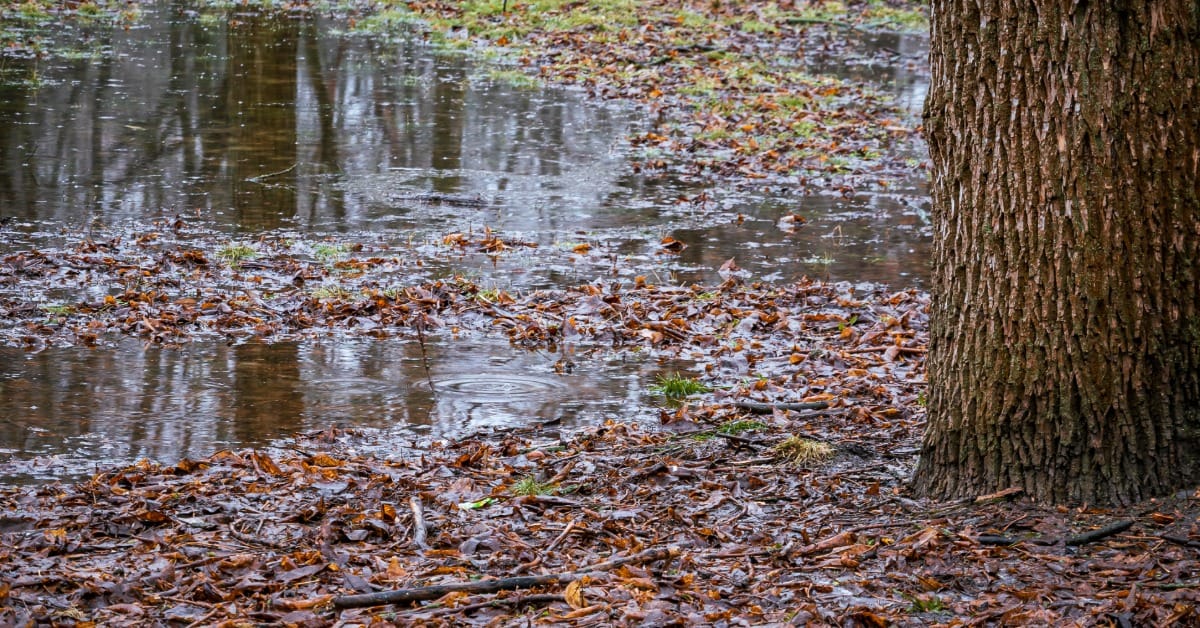
Because construction changes how water moves through compacted ground, the watering routine that worked before the project may no longer fit the site. Some areas may absorb water slowly, while rainfall or irrigation may run away from heavily compacted sections. Checking how moisture enters the ground provides better guidance than automatically increasing irrigation because the tree shows stress.
During recovery, watch the treated area after rainfall and irrigation to see how the soil responds. If water remains at the surface or the ground stays excessively wet, adding more water can create unfavorable conditions around the roots. A plan can adjust the approach when the site continues to show uneven infiltration or other moisture problems after treatment.
Step 7: Monitor the Tree During Recovery
Even when soil treatment improves conditions around the roots, the canopy may need time to reflect those changes. Watching the tree through later growing periods can reveal whether new growth and canopy conditions begin moving in a healthier direction. Keeping notes about noticeable changes also gives useful information during a follow-up visit.
When the tree continues declining after soil treatment, an arborist should take another look at both the tree and the surrounding site. Construction may have caused problems beyond compaction, or the root zone may need additional attention. A qualified arbor service can reassess those conditions and recommend further care when the tree does not respond as expected.
Prevent Soil Compaction During Future Construction
For future projects near established trees, bringing an arborist into the planning process can prevent many of the conditions that lead to severe compaction. The arborist can identify areas that need protection before contractors establish equipment routes or choose locations for material storage. Limited space can make tree protection more challenging, so discussing access and work areas before the project begins gives the arborist and contractor an opportunity to address those constraints together.
Repair Compacted Soil Without Creating More Tree Damage
Following the right sequence matters when deciding how to fix soil compaction from construction without creating additional problems for the tree. Start by identifying where construction placed pressure on the ground, then keep additional traffic away from those areas. An arborist can then evaluate the root zone, recommend an appropriate decompaction plan, and guide soil and water management while the tree recovers.
For homeowners throughout the Portland metro area, All Around Arbor can assess established trees after nearby construction and determine what conditions around the root zone need attention. Contact our ISA Certified Arborists before undertaking significant soil work around a tree that has experienced construction-related compaction.
Comments