
Why Pruning Is Important in Portland’s Wet Winters
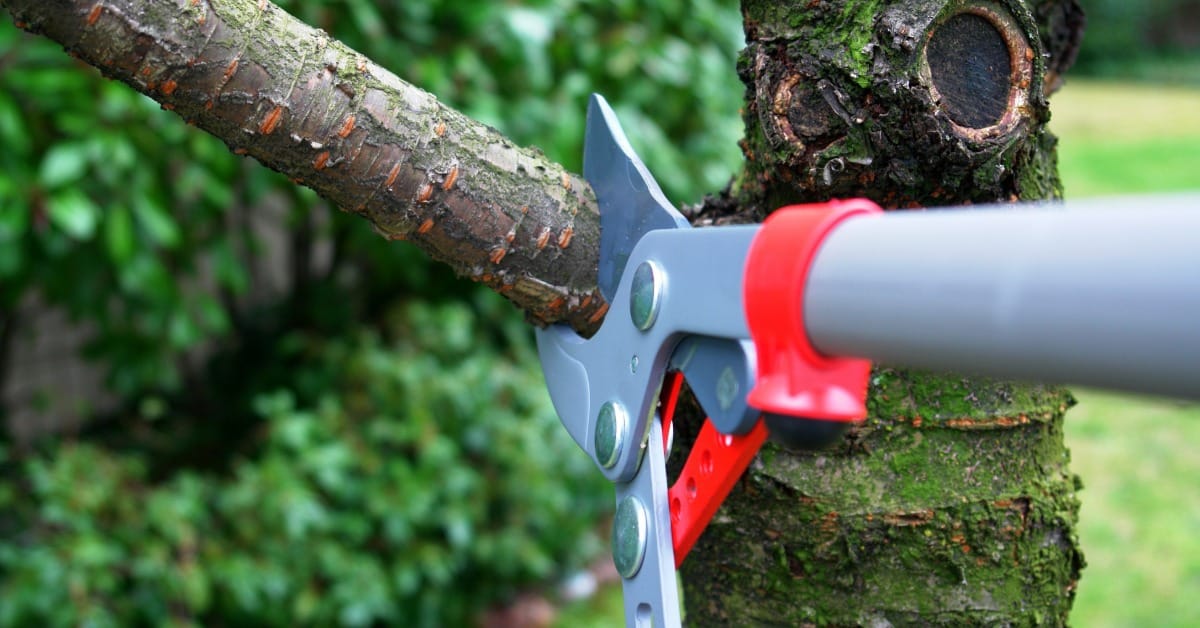
Portland’s rainy climate creates unique challenges for trees throughout the winter months. Saturated soil, persistent moisture, and seasonal storms place additional stress on branches that may already carry hidden defects. While many homeowners wait until spring to address tree maintenance, winter offers a practical window to evaluate structure and reduce risk before conditions shift again.
As rainfall continues and storm systems move through the area, trees show signs of stress that remain less visible during other times of year. Why pruning is important in Portland’s wet winters becomes clear when weakened limbs, poor branch attachments, and canopy imbalances stand out during dormancy. Arborists take advantage of this timing to make targeted adjustments that improve stability before spring growth adds new weight and complexity to the canopy.
Winter Storms Expose Structural Weaknesses
Winter weather places ongoing pressure on trees across the Portland area, especially during extended periods of rain and wind. Branches that appear stable during calm conditions may flex under repeated exposure, which can reveal cracks or weak attachment points that were not previously noticeable. That stress can worsen existing defects and increase the likelihood of failure. Repeated movement during storms can gradually weaken attachment points that once appeared stable under normal conditions.
Pruning reduces that strain by removing compromised limbs before storms intensify their impact. Arborists focus on areas where weight or poor structure increases vulnerability, which allows the remaining canopy to respond more effectively to wind. Even minor failures can lead to costly damage when conditions worsen, which makes this preparation especially valuable in neighborhoods where trees grow close to homes and outdoor living spaces.
Dormancy Creates Better Conditions for Pruning
Trees enter a dormant phase during winter, which changes how they respond to pruning cuts. Dormant conditions slow growth significantly, so the tree does not produce new shoots immediately after pruning. Pruning wounds remain more stable during dormancy, which supports a more controlled recovery process once spring growth begins.
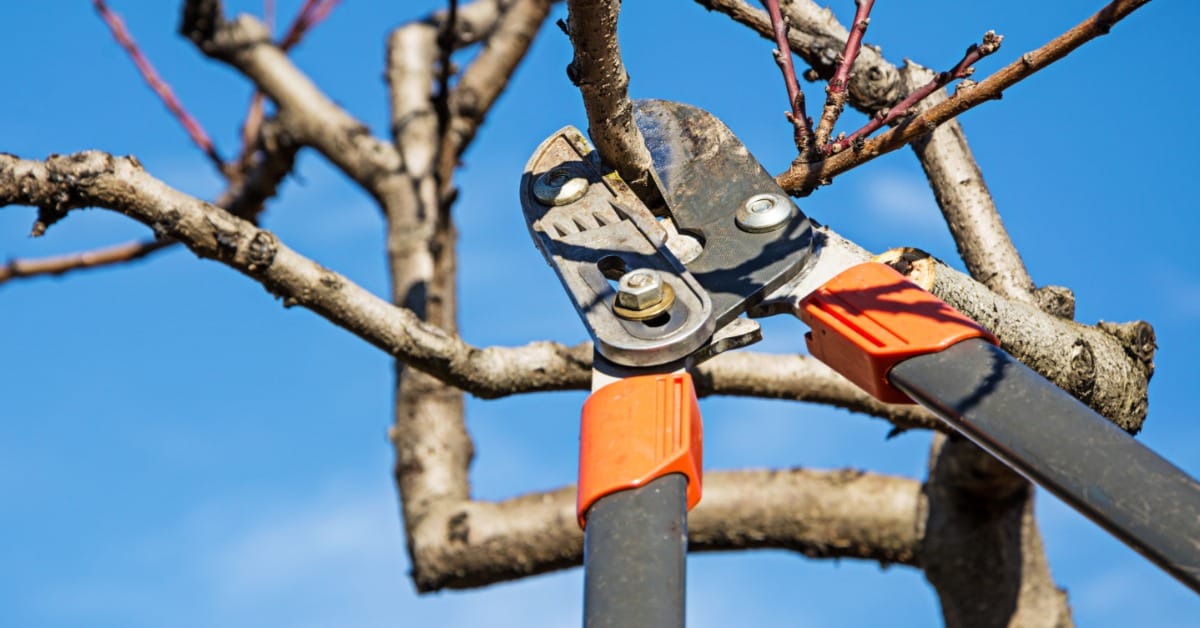
Visibility improves during this period because leafless canopies reveal the underlying framework. Arborists can evaluate branch spacing, identify structural concerns, and make decisions based on a clear view of the tree’s structure. That level of clarity leads to more precise pruning that supports long-term structure and produces a stronger, more balanced canopy.
Moisture Increases the Risk of Branch Failure
Persistent rain affects more than just the soil, as it adds weight to the canopy and creates conditions that weaken already stressed branches. Water accumulation increases the load on limbs, particularly when wind causes repeated movement across the canopy. Even a moderately weakened branch may fail when those forces combine.
Pruning removes vulnerable sections before moisture and movement compound the problem. By reducing excess weight and eliminating damaged limbs, arborists improve how the tree distributes stress across its structure. Reducing excess weight and removing damaged limbs lowers the likelihood of sudden failures during severe weather events.
Pruning Supports Health in Damp Conditions
Portland’s climate creates an environment where moisture lingers on branches and within dense canopies. When airflow becomes restricted, those damp conditions can contribute to fungal growth that affects leaves, bark, and internal wood. Trees with crowded canopies may struggle to dry efficiently after extended rainfall. Prolonged moisture retention can place additional stress on already vulnerable areas within the canopy.
Selective pruning improves airflow by opening portions of the canopy and allowing moisture to dissipate more effectively. As air moves more freely between branches, surfaces dry faster and create less favorable conditions for disease development. Arborists rely on this method to support healthier trees without removing more canopy than necessary, which preserves both function and appearance.
Structural Pruning Shapes Future Growth
Winter pruning does more than address immediate concerns; it influences how a tree develops in the years ahead. By guiding branch spacing and reducing competing growth, arborists create a stronger framework that supports future canopy expansion. Early intervention prevents small structural issues from developing into larger problems that require more aggressive correction later.
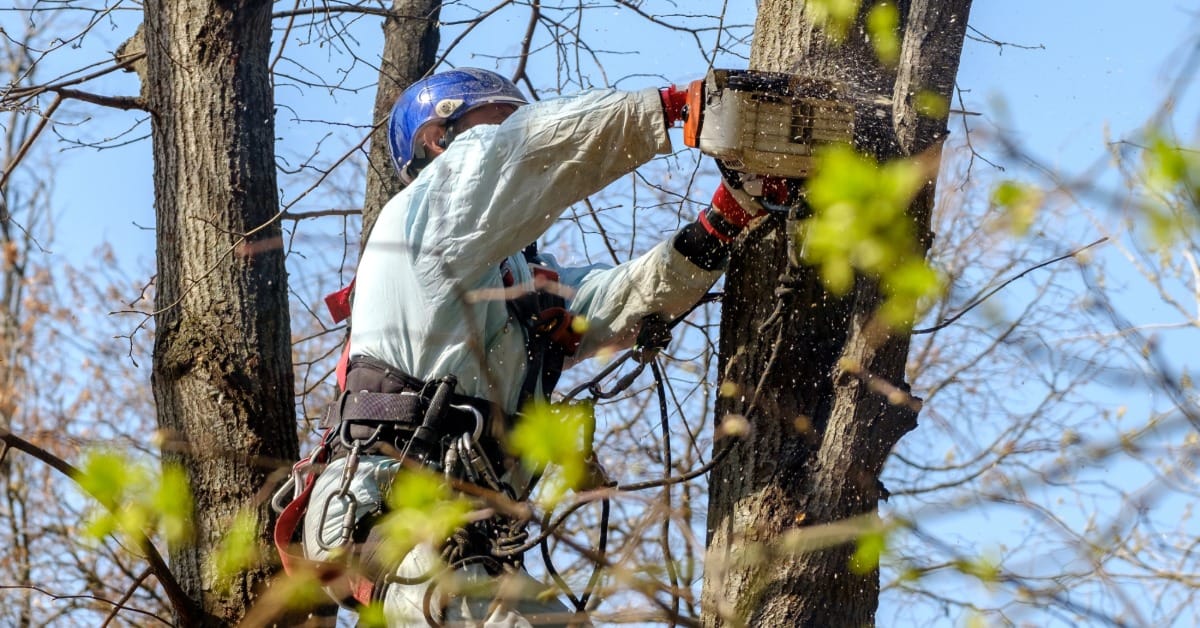
Each pruning decision affects how the tree allocates energy once growth resumes. Arborists consider how the remaining branches will respond and how the structure will evolve. Trees that receive consistent structural pruning develop stronger attachment points, which improve stability as the canopy expands and becomes more complex.
Addressing Problems Early Reduces Emergency Work
Trees rarely fail without warning, yet those warning signs often go unnoticed until conditions worsen. Winter provides an opportunity to identify developing issues before they escalate into urgent situations. Cracks and weak attachment points become easier to detect when foliage is absent, and weather conditions highlight structural movement.
Taking action during this window reduces the likelihood of emergency calls following storms. Property owners can address concerns under controlled conditions instead of reacting after damage occurs. Preventative pruning supports a more predictable approach to tree care and reduces unexpected disruptions during severe weather, which can be both costly and difficult to manage quickly.
Professional Pruning Improves Long-Term Outcomes
Tree pruning requires more than removing visible defects, especially in a climate that places consistent stress on the tree structure. Arborists evaluate how each cut will affect the tree’s balance and future growth patterns. That level of consideration prevents over-pruning while still addressing structural concerns effectively. Careful planning during pruning allows arborists to maintain balance within the canopy while avoiding unnecessary stress on remaining branches.
Professional assessments give property owners a clearer understanding of maintenance options without relying on guesswork. Trees that receive proper care during winter often perform better throughout the year because they enter the growing season with fewer structural limitations and a more balanced canopy, which supports consistent and healthy development.
Seasonal Pruning Supports Safer Landscapes
Winter conditions create an environment where small structural issues can quickly become larger concerns if left unaddressed. By focusing on pruning during this season, property owners can reduce risks before storms intensify their impact. Trees that receive attention at the right time perform more reliably when conditions become more demanding.
If you are evaluating trees on your property, All Around Arbor provides professional assessments and tree pruning services throughout the Portland area. Why pruning is important in Portland’s wet winters allows you to take a proactive approach to tree care while maintaining a safer and more stable landscape.
Comments