How Arborists Choose Between Cabling and Tree Removal
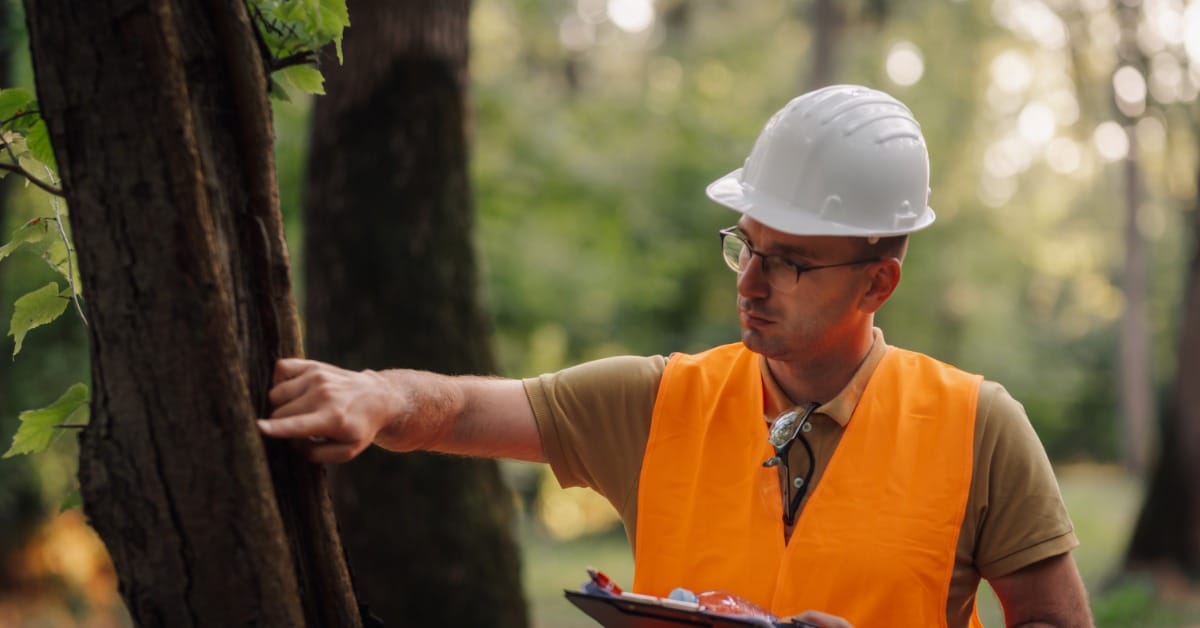
Trees sometimes develop structural issues that leave property owners wondering whether preservation remains possible. A large limb may begin separating from the trunk, a mature tree could lean after years of exposure to wind, or visible cracking might appear where major stems connect. Although many people assume removal is the only solution, arborists frequently evaluate alternatives before recommending that a tree come down.
Arborists choosing between cabling and tree removal requires them to look at how the tree functions, whether the problem is progressing, and how surrounding conditions influence future risk. Some trees continue providing value for many years after corrective work, while others reach a point where preservation no longer makes practical sense. The recommendation depends on what arborists find during a thorough assessment.
Why Arborists Do Not Rush To Remove Trees
Most structural problems exist on a spectrum, which means arborists rarely make recommendations based on appearance alone. A visible crack, weak branch attachment, or developing lean may raise concerns, yet those conditions do not automatically indicate imminent failure. Arborists begin by determining whether the issue affects a localized area or whether it reflects a larger problem throughout the tree.
Mature trees provide shade, character, and long-term landscape value that new plantings cannot quickly replicate. Because of that, arborists generally investigate preservation options whenever conditions support them. Their goal is not to remove trees at the first sign of trouble but to identify the approach that provides an acceptable level of safety while maintaining healthy trees whenever possible.
When Cabling Makes Sense
Arborists use cabling to support vulnerable sections of a tree before structural defects worsen. High-strength support systems reduce movement between weak attachments and limit stress during wind events. Rather than removing a large portion of the canopy, arborists can sometimes stabilize a problem area while preserving the structure of the tree.
Cabling works best when the surrounding wood remains strong enough to support long-term growth. If arborists identify a defect early, they can frequently reduce the chance of failure without dramatically changing the appearance of the tree. Property owners often prefer this approach because it addresses structural concerns while allowing mature trees to remain part of the landscape.
Tree Health Influences Every Recommendation
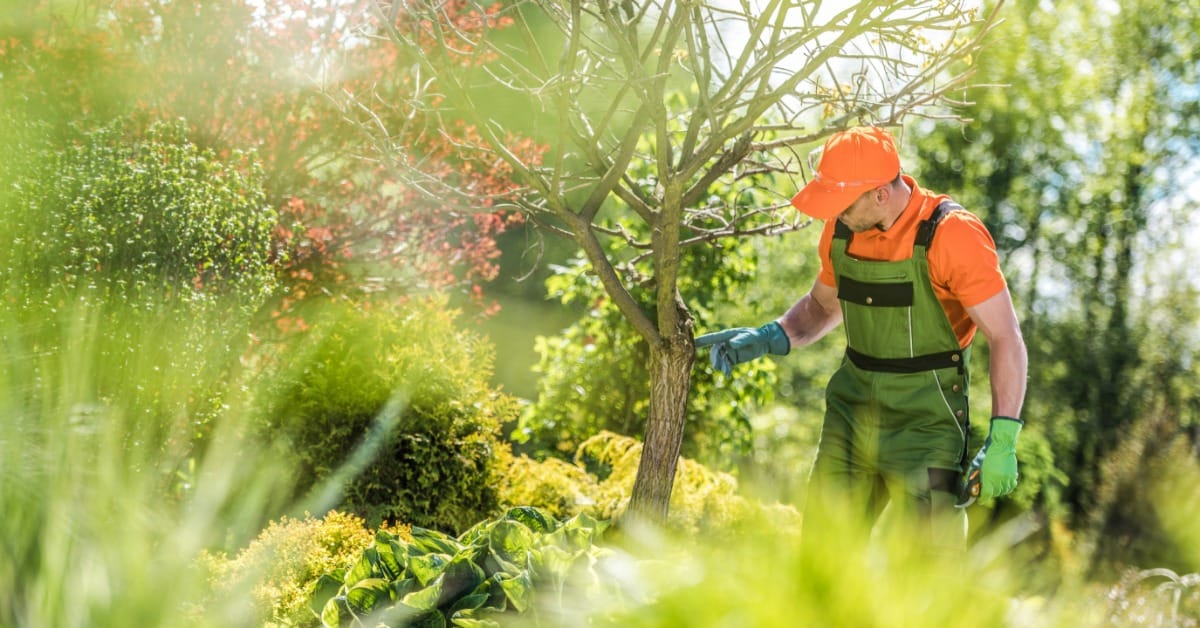
Healthy trees generally respond better to preservation efforts than trees experiencing widespread decline. Arborists examine foliage density, annual growth patterns, and vigor to determine whether the tree possesses enough energy to remain viable after corrective work. Strong biological health gives preservation strategies a greater chance of success.
Problems become more complicated when disease, decay, or root damage affect large portions of the tree. Under those circumstances, support systems may stabilize one defect while other issues continue progressing elsewhere. Arborists therefore evaluate the entire tree before recommending cabling because preservation only makes sense when the tree can continue functioning safely in the years ahead.
Structural Problems Are Not All Equal
Arborists place considerable emphasis on the type of defect they encounter because some conditions remain manageable while others create serious concerns. A weak branch union presents a much different scenario than extensive trunk separation. The location of the defect, its size, and its rate of progression all influence the recommendation.
Many defects respond well to mitigation when arborists identify them before structural deterioration becomes extensive. Once a defect affects a primary support area, however, preservation options become more limited. Arborists must determine whether the remaining sound wood can continue supporting the tree or whether the defect has compromised structural stability beyond a practical threshold.
Location Can Change the Outcome
A tree’s surroundings influence the decision-making process because arborists evaluate consequences alongside structural conditions. A defective tree growing in an open area creates a different level of concern than one positioned above a house or driveway. The potential impact of failure influences how much risk remains acceptable.
Even when preservation appears technically possible, arborists may recommend removal if the consequences of failure remain too severe. On the other hand, a tree in a lower-risk setting may qualify for preservation because the surrounding environment provides more flexibility. Evaluating the site helps arborists tailor recommendations to real-world conditions.
The Difference Between Managing Risk and Removing Risk
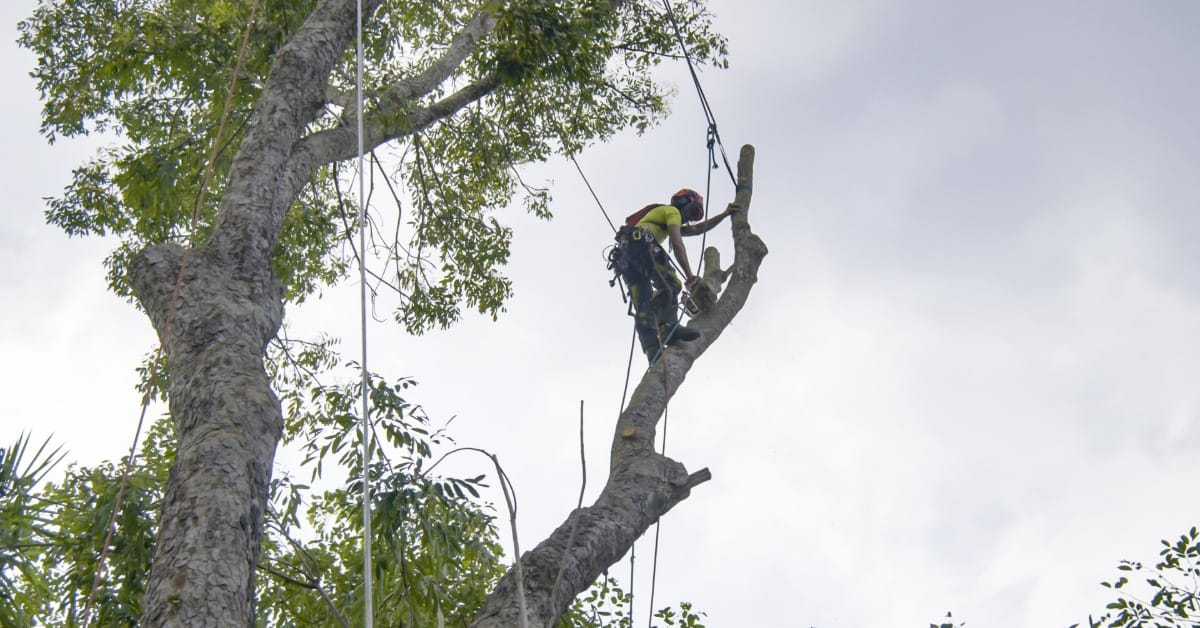
Property owners sometimes view cabling as a permanent solution, yet arborists explain that all trees retain some degree of risk. Support systems reduce stress and improve stability, but they cannot eliminate every possible failure scenario. Understanding this distinction helps property owners develop realistic expectations about preservation strategies.
Removal approaches the situation differently because it eliminates the risk associated with that specific tree. While other landscape considerations may arise afterward, the structural concern no longer remains. Arborists discuss both outcomes, so property owners can weigh preservation benefits against their tolerance for future risk.
Why Arborists Often Combine Cabling With Pruning
Arborists rarely rely on cabling alone because support systems work best when paired with selective pruning. By reducing weight in vulnerable areas, arborists decrease the amount of stress acting on weak attachments and damaged sections of the canopy. That combination allows support hardware to function more effectively while encouraging a more balanced structure.
Pruning plans vary according to the condition of the tree and the nature of the defect. Arborists target specific areas that contribute to unnecessary strain, and when they combine pruning with structural support, they can address immediate concerns while improving the tree’s ability to withstand future weather events.
Trees Require Ongoing Monitoring After Cabling
Installing a cable does not end the management process. Trees continue growing, which means structural conditions can change as branches expand, and the canopy develops. Arborists schedule periodic inspections to verify that support systems continue functioning as intended, and that new defects have not emerged.
Property owners sometimes expect cabling to provide a permanent solution, yet preservation requires long-term attention. Routine evaluations allow arborists to identify changes before they become larger concerns, which maintains the effectiveness of previous work. Continued monitoring also provides opportunities to adjust management strategies as the tree matures.
When Removal Becomes the Safer Choice
Some trees reach a point where preservation no longer offers a practical path forward. Extensive decay and major structural failures can weaken a tree beyond what support systems can reasonably address. When arborists determine that defects affect the tree’s fundamental stability, they may recommend removal.
Making that recommendation does not mean preservation efforts failed. Arborists simply recognize that every tree has limits, and there are situations where maintaining the tree introduces unnecessary risk. Removing a compromised tree before it fails can prevent property damage and reduce the likelihood of emergency situations during severe weather.
Making Informed Decisions About Tree Safety
Property owners benefit most when they understand that cabling and removal serve different purposes. Cabling allows arborists to preserve trees that still possess strong long-term potential, while removal addresses situations where structural problems or declining health create unacceptable risks. Neither solution automatically applies to every circumstance, which is why professional evaluations remain so important.
Understanding how arborists choose between cabling and tree removal provides valuable context when structural concerns arise. If you have questions about a mature tree on your property, All Around Arbor can assess its condition and recommend the most appropriate course of action. Whether preservation remains feasible or tree cutting services become necessary, a professional evaluation helps you make decisions based on safety and the unique conditions surrounding the tree.
Comments