Hazard Limb Identification for Portland Property Owners
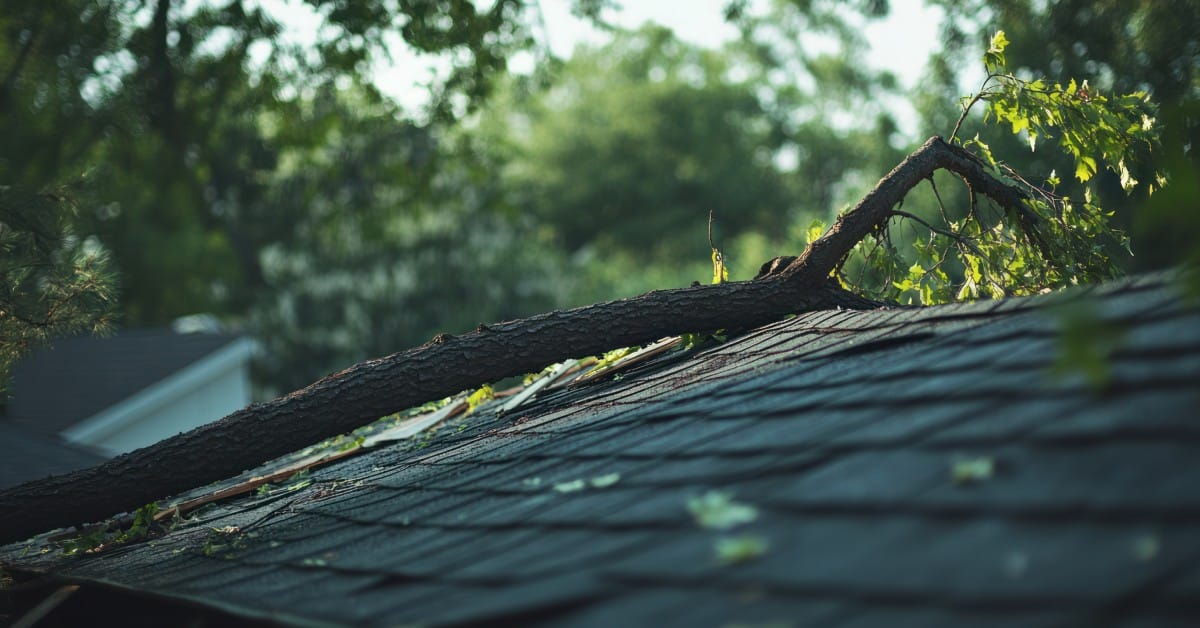
Portland’s lush urban forest is one of its greatest assets, but with beautiful trees comes the responsibility of care. Ensuring the safety of your property and community starts with knowing how to spot potential dangers before they cause harm. Mastering hazard limb identification for Portland property owners is a skill that protects your home, your family, and your investment in our city’s green canopy.
Understanding What Makes a Limb Hazardous
A hazard limb is any branch that has a high potential to fail and fall, posing a risk to people or property below. This isn’t just old, dead branches, since hazardous limbs can appear healthy at first glance but may hide internal decay or a weak connection to the trunk. Recognizing these subtle signs can prevent unexpected accidents.
The risk associated with a limb depends on its condition, size, and location. A small, dead twig over a garden bed is a minor issue, but a large, cracked branch hanging over your roof or driveway presents a large threat. Learning to distinguish between low-risk and high-risk situations helps you prioritize your tree care efforts effectively.
Spotting the Obvious: Dead or Broken Branches
The most basic sign of a hazard limb is one that is clearly dead, dying, or already broken. Look for branches that lack leaves in the spring and summer when the rest of the tree is full and green. These limbs are dry and brittle, snapping easily under pressure.
Hanging branches are immediate dangers that require prompt attention. These limbs can completely detach and fall on other branches, or they may still be partially connected. In either case, they are unstable and can tumble without warning, especially during wind or rain.
Looking Deeper for Cracks and Splits
Serious structural issues appear as cracks or splits in the wood. Inspect where large branches connect to the trunk, as this is a common failure point. A deep crack indicates that the wood fibers are separating, weakening the limb’s ability to support its own weight.
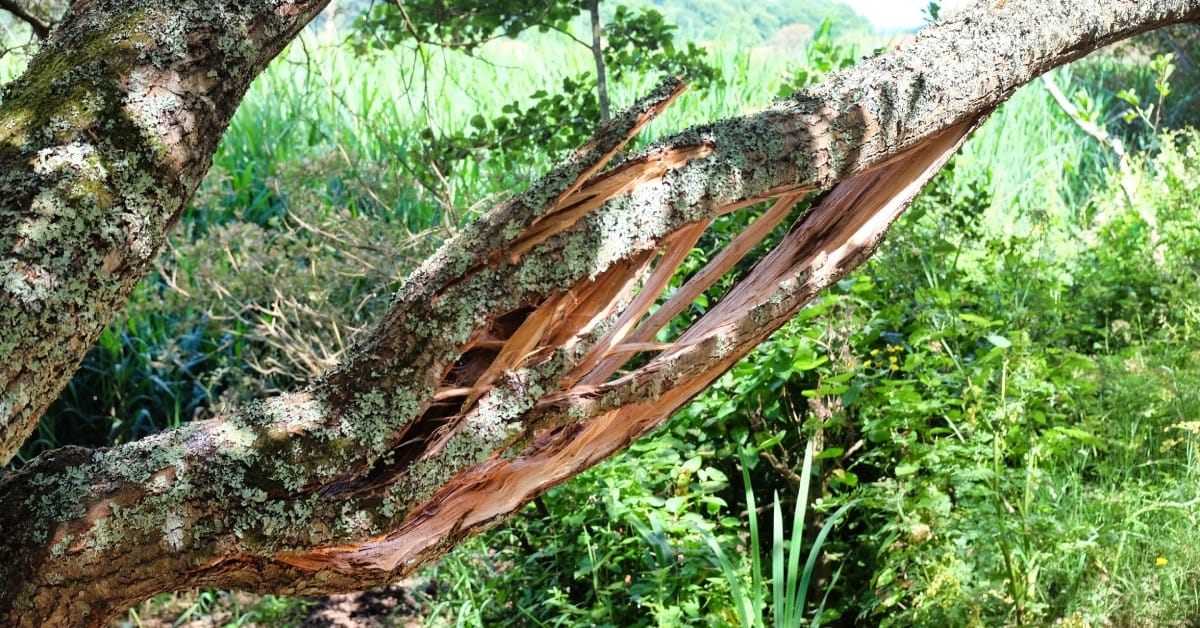
You should also look for cracks that run lengthwise along a branch. Storm damage, improper growth patterns, or internal decay cause these types of splits. Any visible crack is a red flag that the limb is compromised and may need professional evaluation to determine the extent of the risk.
Included Bark and Weak Attachments
A “V-shaped” or tight union where a branch meets the trunk can create a weak point due to included bark. Trapped bark between the growing branch and trunk prevents a strong connection. This weak attachment is prone to splitting apart under stress from wind, snow, or even its own weight.
Cavities and Decay
Holes, hollows, or cavities in a limb or trunk are clear indicators of decay. While a tree can sometimes compartmentalize decay and remain stable, large cavities compromise its structural integrity. These hollowed-out areas create weak points that can easily fail under stress, making the limb a hazard.
The Presence of Fungi
The growth of mushrooms or other fungal bodies on a branch or trunk is a definitive sign of internal decay. Fungi are nature’s decomposers, and their presence means the wood is actively rotting from the inside out. Even if the branch still produces leaves, the presence of fungi suggests it is structurally unsound, and you should inspect it immediately.
Considering Tree Species and Growth Habits
Certain tree species in the Portland area are more prone to limb failure than others. Fast-growing trees, like black cottonwood, Lombardy poplars, and willows, have weaker, more brittle wood. Their rapid growth can also lead to poor structural form, increasing the likelihood of branches breaking.
Conversely, slower-growing trees, like our native Oregon white oaks, tend to have stronger wood and more durable branch attachments. However, no tree is immune to developing hazards, especially as it ages or endures storm damage. Understanding the typical characteristics of your trees provides a helpful context for your inspections.
The Impact of Portland’s Weather
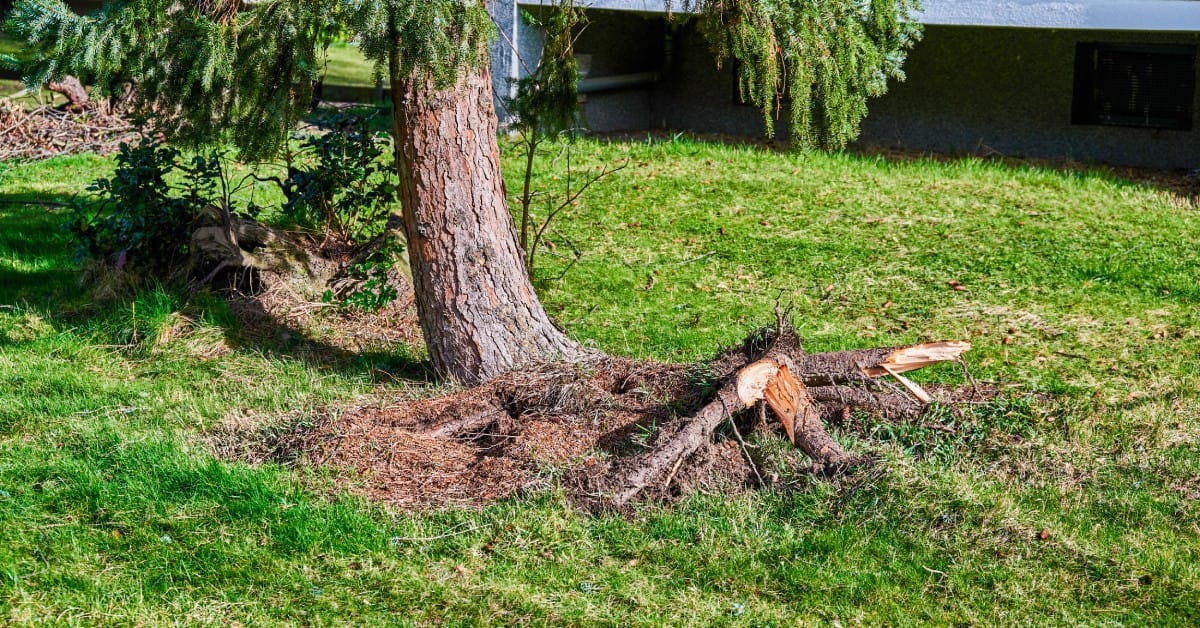
Portland’s weather patterns, from heavy winter rains and winds to occasional snow and ice storms, place immense stress on trees. After any major weather event, it’s wise to walk your property and inspect your trees for new damage. Look for freshly cracked limbs, newly hanging branches, or a sudden lean in the tree itself.
Even a season of heavy rain can saturate the soil, potentially compromising the root system and affecting the entire tree’s stability. Regular inspections, especially after storms, help you catch developing problems early. This method is far safer and more cost-effective than dealing with the aftermath of a fallen limb.
Why Early Detection Saves Money and Prevents Emergencies
Identifying hazard limbs early prevents costly emergency removals, property damage, and potential liability issues. Addressing damaged limbs through routine pruning is far less expensive to manage than one that fails during a storm and damages a roof, vehicle, or power line. Proactive inspections protect your trees and your long-term maintenance budget.
Why Professional Assessment Matters
While you can spot many warning signs on your own, a certified arborist provides an expert level of assessment. They have the training and experience to identify subtle issues that an untrained eye might miss. An arborist can perform a detailed risk assessment to determine the true stability of a suspicious limb.
Professionals can also recommend the best course of action, whether it’s targeted pruning or complete removal. For complex situations, make sure a reliable tree trimming services does the work for safety and adherence to best practices.
Take the Next Step in Protecting Your Property
Staying vigilant is the best defense against property damage and personal injury from falling branches. Regular inspections and a basic understanding of what to look for are powerful tools in any homeowner’s toolkit. By making hazard limb identification for Portland property owners a routine part of your property maintenance, you contribute to a safer and healthier community.
At All Around Arbor, we are your partners in maintaining the health and safety of your trees. Our certified arborists can handle any project, large or small, with the highest level of expertise. Contact All Around Arbor today to schedule a professional tree assessment, so your property remains safe and beautiful.
Comments