Navigating Portland’s Tree Removal Permit Requirements
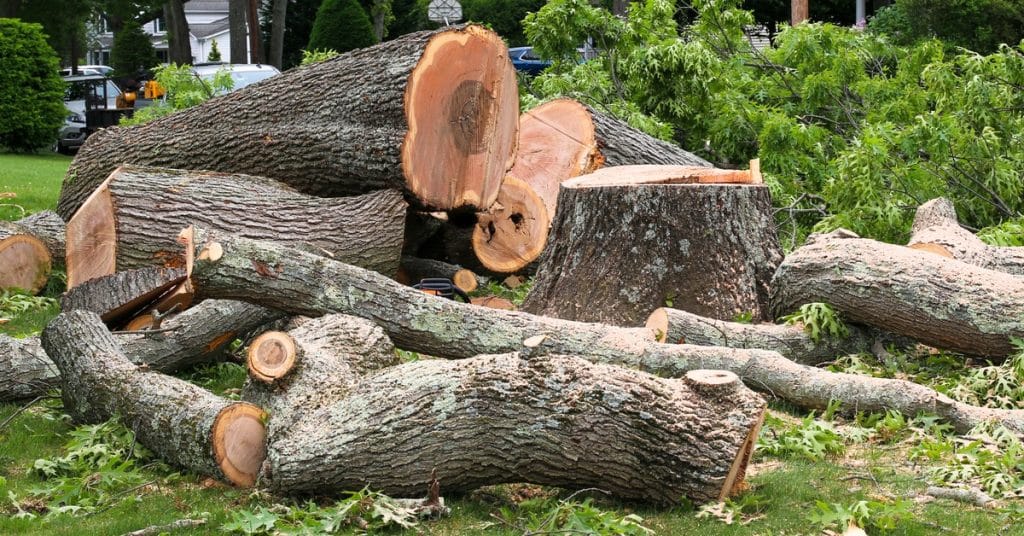
Portland places strict controls on tree removal, and many property owners underestimate how involved the process can become. The city actively protects its urban canopy, so removing a tree requires more than a simple decision on private property. Even routine projects can trigger review depending on where the tree sits and how large it has grown.
Understanding and navigating Portland’s tree removal permit requirements helps homeowners avoid delays, fines, and unexpected setbacks. The city evaluates removal requests based on size, location, and environmental factors, which means each situation follows its own path. When you understand how these rules apply, you can plan more effectively and move through the process with fewer complications.
Why Portland Regulates Tree Removal So Closely
Portland relies on its urban forest to manage stormwater, reduce heat, and support overall neighborhood livability. Because of this, the city actively limits unnecessary tree removal and treats it as more than basic property maintenance. These protections preserve long-term canopy coverage across residential and commercial areas.
Portland’s Urban Forestry program oversees these regulations and enforces them across the city. Property owners must follow established guidelines before removing trees, even when they address safety concerns or landscape changes. The city uses inspections and follow-up requirements to confirm that work meets those standards.
What Determines Whether You Need a Permit
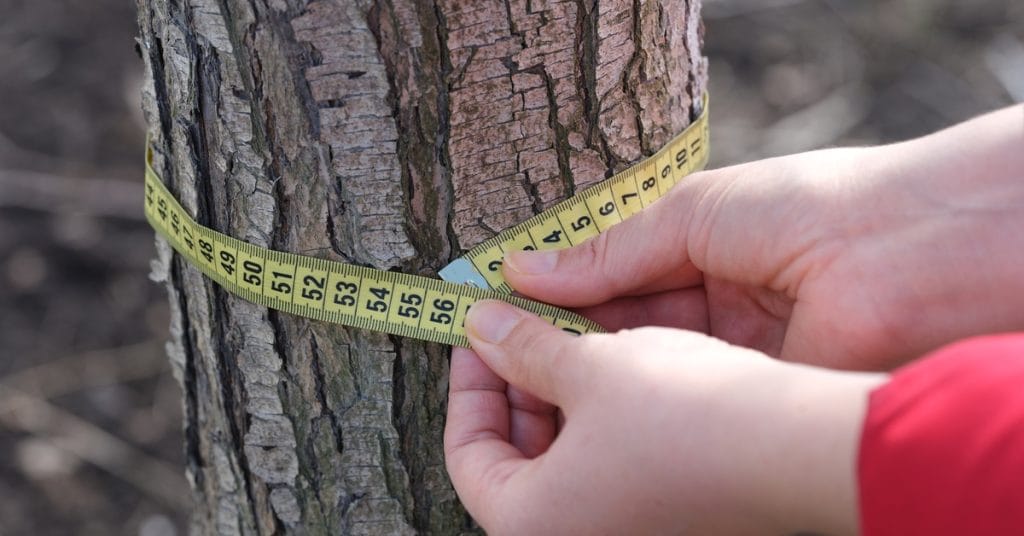
Several factors determine whether you need a permit, including the tree’s size, species, and location on your property. The city typically requires approval for trees above a certain diameter, which it measures at a consistent height along the trunk, as outlined in Portland’s tree code. Removing multiple trees within a year or working in regulated areas can also trigger permit requirements. In many cases, even smaller trees may require review if they fall under specific site conditions or protections.
The tree’s placement also affects how the city reviews your request. Trees near structures, property lines, or shared spaces receive closer scrutiny because removal may affect surrounding areas. If your project ties into construction or development, the city may evaluate your request under a different set of rules.
Tree Location and Environmental Overlay Zones
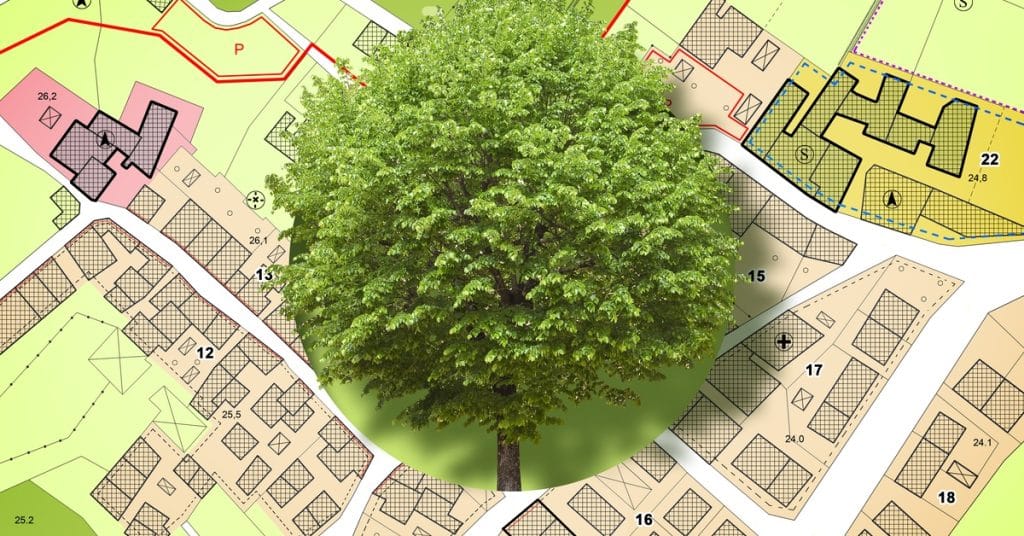
Some properties sit within environmental overlay zones, which introduce stricter limitations on tree removal. The city uses these zones to protect sensitive areas, such as waterways, slopes, and natural habitats. As a result, you may face limits on how many trees you can remove within a given timeframe.
If your property falls within one of these zones, the city may require additional documentation or inspections before approving removal. These added steps extend timelines and require more detailed planning. Identifying these designations early allows you to avoid delays and adjust your approach.
When Damaged or Hazardous Trees Still Require Review
Many property owners assume they can remove a damaged or dying tree without approval, but Portland does not always allow that. The city may fast-track hazardous situations, but it still requires documentation to confirm the tree’s condition under its emergency tree removal guidelines. This step prevents unnecessary removals and protects healthy trees.
You may need to provide photos, descriptions, or allow an inspection before moving forward. This requirement becomes more likely when the tree sits in a regulated zone or near protected areas. Acting early and documenting visible damage can move the process along more smoothly.
What the Permit Application Process Involves
You must submit accurate details about the tree and its location when applying for a permit through Portland’s tree permit system. The city expects information such as species, approximate size, and distance from nearby structures or property lines. Clear photos and a simple site layout also help reviewers understand the situation. Inaccurate measurements or unclear photos can slow down the review if the city cannot verify the details you provide.
After submission, the city reviews the application and may request additional information or schedule an inspection. More complex properties or projects involving multiple trees can take longer to process. Providing complete and accurate information at the start can reduce back-and-forth communication and keeps the timeline moving.
Common Issues That Delay Approval
Incomplete applications and incorrect details cause most permit delays. Property owners can misjudge tree size, overlook zoning designations, or submit unclear documentation, which forces the city to request corrections. Each revision adds time to the approval process.
Misunderstanding how multiple rules apply can also create problems, for example, a property owner may account for size requirements but miss environmental restrictions. Reviewing all applicable conditions before submitting avoids unnecessary setbacks.
How Permit Requirements Affect Project Planning
Permit requirements shape how and when you can complete a tree removal project. Approval timelines, conditions, and site restrictions all influence scheduling and coordination with other work on the property. Planning ahead gives you flexibility and prevents disruptions once you are ready to begin.
Cleanup and restoration also factor into the plan, as many projects include services, such as tree stump removal, to fully clear the area and prepare the space for future use. Addressing these steps early can leave the property safe, usable, and ready for whatever comes next.
Why Working With a Professional Simplifies the Process
Portland’s permit system can become difficult to manage, especially when multiple conditions apply to one property. Experienced arborists understand how to evaluate trees, identify restrictions, and prepare accurate documentation that meets city expectations. Their familiarity with the process reduces errors and avoids unnecessary delays.
Working with a professional also helps you move forward with greater confidence, and that support saves time and prevents costly mistakes. This approach becomes especially valuable on properties where multiple regulations apply at the same time.
Moving Forward With a Compliant Tree Removal Plan
Navigating Portland’s tree removal permit requirements becomes much easier when you approach the process with a clear plan. Each step, from identifying whether you need a permit to submit accurate information, determines if the project stays on track. When you skip those steps, even simple removals can turn into complicated situations.
If you plan to remove a tree, working with an experienced team can simplify the process from start to finish. All Around Arbor assists property owners in evaluating their situation, handling permit requirements and completing removals safely and efficiently. Scheduling a professional assessment gives you a clear path forward while keeping your project aligned with Portland’s regulations.
Comments